
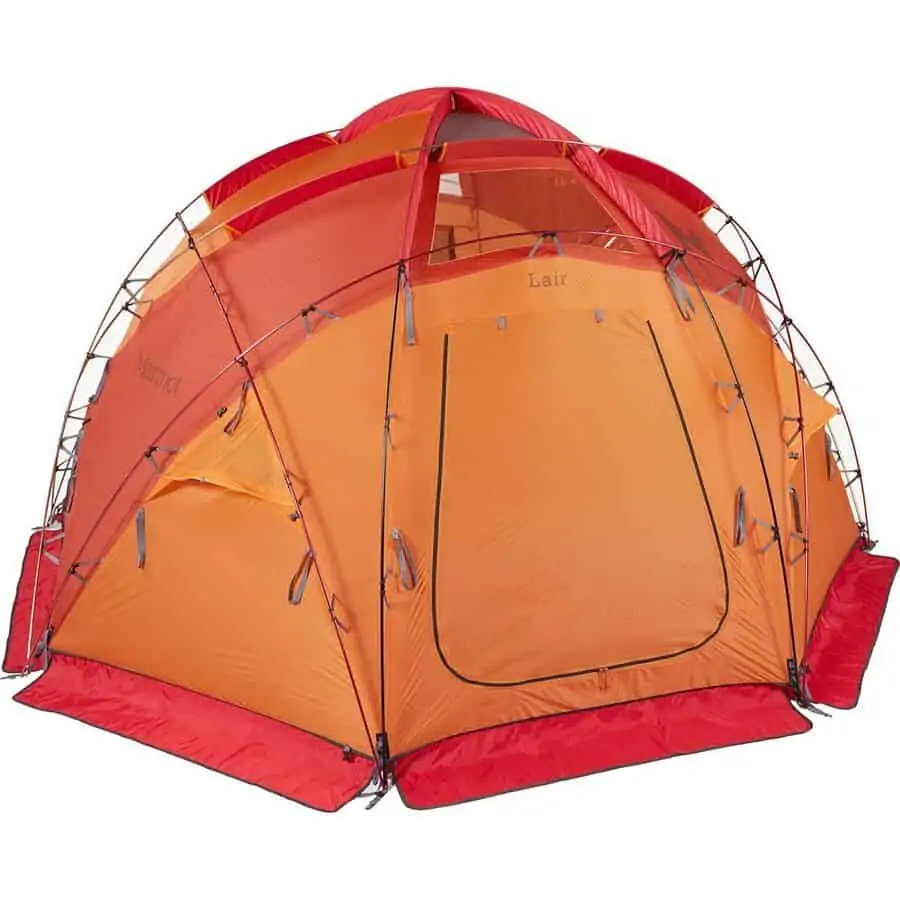
Our Take
The Marmot Lair 8-Person 4-Season Tent is built for basecamp duty on serious expeditions, with a ten-pole geodesic frame and bomber weather resistance that'll handle whatever the mountains throw at it.
That massive 40-square-foot vestibule is a game-changer for gear storage, and the removable snow-dig floor is a smart touch for winter camping.
The catch: at two grand, you're paying premium prices but getting a floor seal that leaks and tension webbing that slips when you need it tight.
It's a capable tent for the right mission, but those quality control issues sting at this price point.
Ask our AI for instant answers from our reviews and specs — comparisons, sizing, and who it's best for.
How We Rated It
Pros & Cons
PROS
- ✓Ten-pole geodesic stability
- ✓Huge 40-sqft vestibule
- ✓Removable snow-dig floor
CONS
- ✕Leaky floor seal
- ✕Slick tension webbing
How It Compares
| Tent | Score | Est. Price | Weight | Sleeps | Seasons | Floor Area | Vestibule | Doors | |
|---|---|---|---|---|---|---|---|---|---|
 Marmot Marmot Lair 8-Person 4-Season Tent This tent | ★ 7.5 | $1,999 | 26 lbs | 4 people | 4-season | 165 sq ft | 40 sq ft | 2 | ✓ Current |
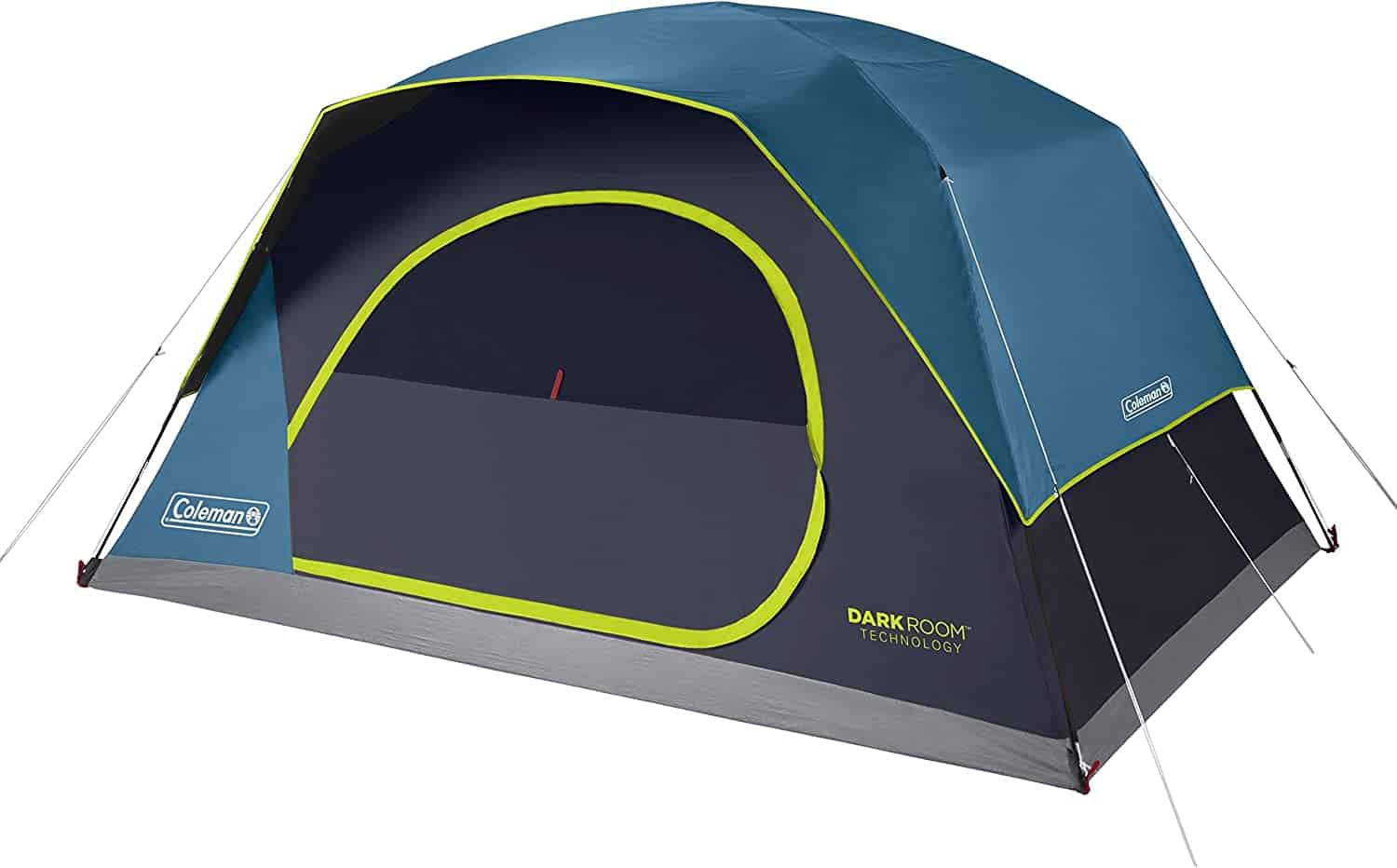
 Coleman Coleman 8-Person Evanston Tent | ★ 7.5 | $290 | 26.4 lbs | 4 people | 3-season | 180 sq ft | 50 sq ft | 1 | vs → |
| ★ 7.4 | $285 | 22 lbs. 9.6 oz. | 4 people | 3-season | 108 sq ft | 0 sq ft | 1 | vs → | |
| ★ 7.7 | $212 | 16.4 lbs | 4 people | 3-season | 100 sq ft | 0 sq ft | 1 | vs → | |
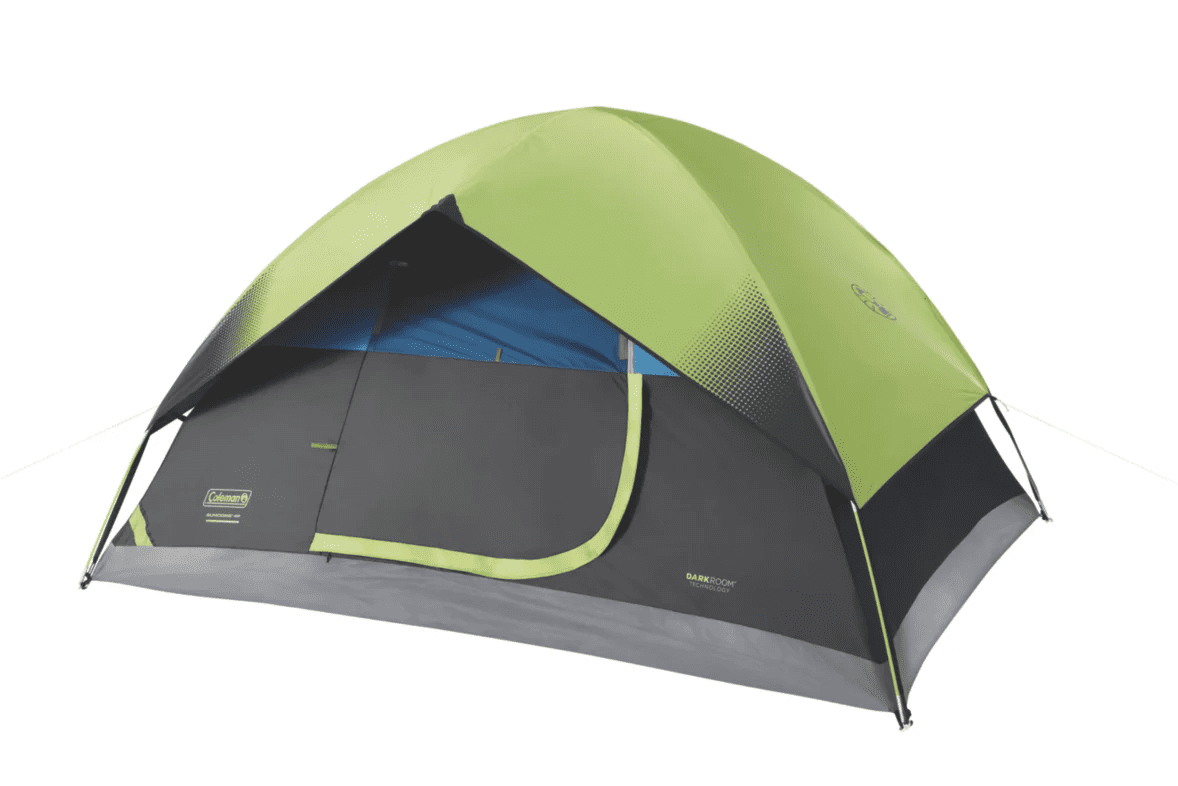
 Coleman Coleman 8 Person Red Canyon Tent | ★ 7.1 | $135 | 22.4 lbs | 4 people | 3-season | 170 sq ft | — | 1 | vs → |
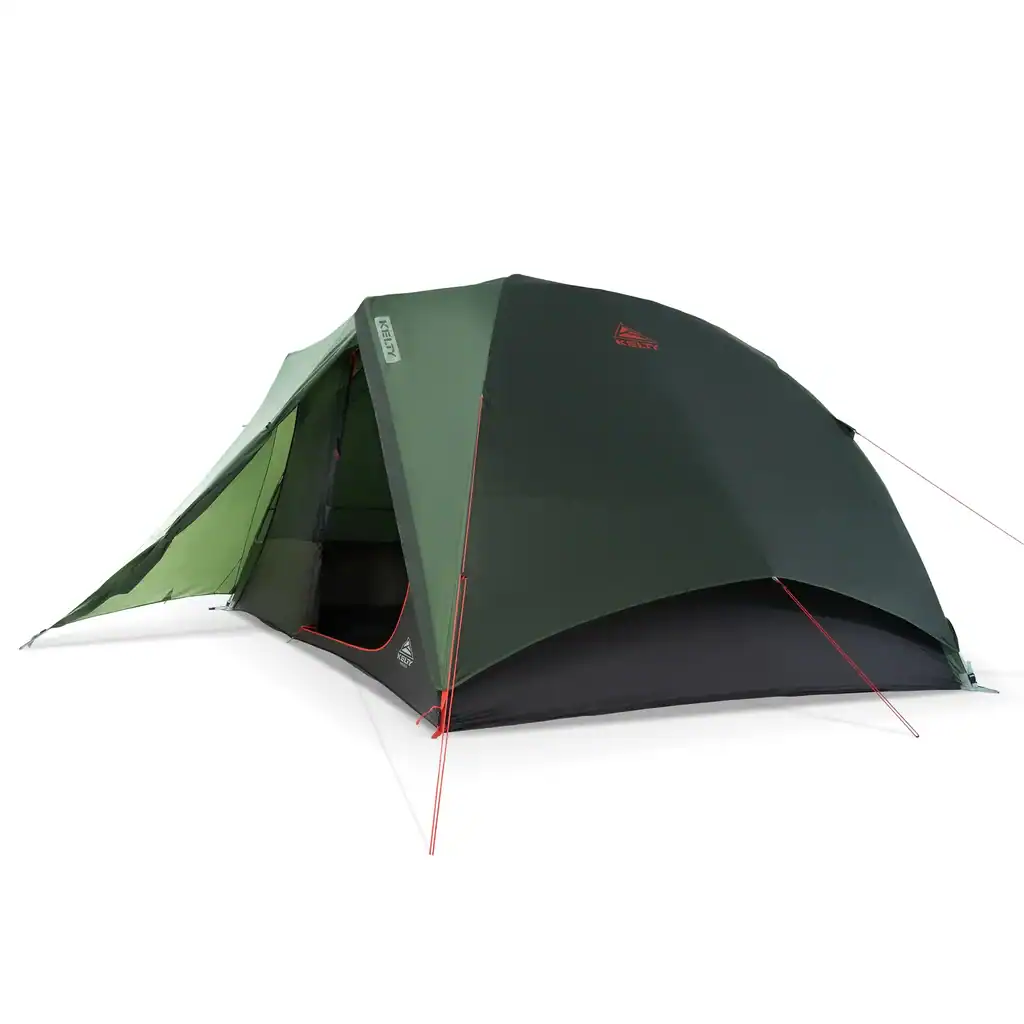
| ★ 7.9 | $390 | 28 lbs 11 oz | 4 people | 3-season | 112 sq ft | 26 sq ft | 2 | vs → |
What We Think
Built for the kind of expeditions where weather can turn deadly, the Marmot Lair 8-Person is a ten-pole geodesic fortress designed to keep large teams alive and comfortable in genuinely extreme conditions.
This shelter scored a 7.5 overall, reflecting its exceptional performance in harsh environments paired with a price tag and complexity that only make sense for serious mountaineering applications.
At around $1,999, this is not a tent you buy for car camping, and we would not recommend it for anything less than high-altitude base camp duty.
Space & Comfort
With 165 square feet of floor area and a commanding 96-inch peak height, the Lair provides genuinely livable space for extended expeditions where teams may be tent-bound for days.
The 40-square-foot vestibule is massive, giving you room to store gear, cook in storms, and transition between inside and outside without tracking snow through the living space.
Owners consistently praise this vestibule as one of the tent's standout features, with several noting it functions almost as a second room.
This dimension scored a 9.0 in Space & Comfort.
Weather Resistance
The ten-pole geodesic architecture is the engineering story here, creating a structure that sheds wind loads from any direction rather than fighting them.
The 40D silicone-treated nylon ripstop rainfly handles snow accumulation and sustained precipitation, and the removable snow-dig floor lets you excavate and lower the tent into the snowpack for additional wind protection, a feature owners on winter expeditions specifically call out as invaluable.
This scored a 9.0 in Weather Resistance, reflecting true four-season capability.
Quality & Durability
Here is where we need to be direct about the Lair's most significant weakness: owners consistently report problems with the floor seam sealing.
For a roughly $2,000 expedition tent, leaky floor seals are a genuine quality control issue, not a minor annoyance.
The 70D nylon floor fabric itself is robust, and Marmot's lifetime warranty provides recourse, but you should plan to inspect seams carefully and potentially re-seal them before any serious trip.
This scored a 7.5 in Quality & Durability, docked specifically for the sealing inconsistency.
Ease of Use
A 30-minute setup time is reasonable for a ten-pole expedition shelter, but this is not a tent you pitch casually.
The complexity is purposeful, each pole contributes to the geodesic strength, but it requires practice and ideally two people working together.
One recurring complaint in owner feedback is that the tension webbing is slick and difficult to grip with gloved hands, which matters when you are setting up in the cold conditions this tent is designed for.
If you are curious how dome architecture compares to other designs, our Dome Tent VS Cabin Tent breakdown covers the structural tradeoffs.
This scored a 7.0 in Ease of Use.
Value for Money
At around $1,999, the Lair occupies a completely different market than the family camping tents most readers are considering.
The Coleman 8-Person Evanston sleeps the same number of people for around $290, but it is a three-season car camping tent, not a mountaineering shelter.
The more relevant comparison is the Big Agnes Sheep Mountain 4 at around $550, which offers legitimate four-season capability at a fraction of the price, though without the Lair's expedition-grade space and vestibule.
This scored a 5.0 in Value for Money, appropriate for specialized gear with a narrow use case.
Who It's For
The Marmot Lair is for organized mountaineering teams running base camps on glaciers, in arctic conditions, or at high altitude where weather can pin you down for days.
If you are leading guided expeditions or supporting research teams in genuinely hostile environments, this is the category of shelter you need.
If your camping involves a parking lot within a mile, this tent is dramatically overbuilt for your purposes.
The Bottom Line
The Marmot Lair 8-Person scored a 7.5, delivering expedition-grade space and weather resistance with one notable quality concern.
Inspect those floor seams before you trust your team's safety to this shelter.
For serious mountaineers who need a stable, spacious base camp in extreme conditions, the Lair earns its place, but the price and complexity mean it only makes sense for that specific mission.
Full Specifications
| Tent Type | Dome |
|---|---|
| Seasons | 4-season |
| Sleeps | 4 people |
| Weight | 26 lbs |
| Min Trail Weight | 24 lbs |
| Floor Area | 165 sq ft |
| Vestibule Area | 40sq ft |
| Peak Height | 8' 0" |
| Floor Dimensions | 96 x 156 x 156in |
| Doors | 2 |
| Setup Time | 30 mins |
| Pole Material | Aluminum |
| Poles | 10 |
| Floor Fabric | 70D 100% Nylon |
| Rainfly Fabric | 40D 100 % Nylon Ripstop Silicon |
| Footprint Included | No |
| Made In | Imported |
| Warranty | Lifetime |
| Additional Notes | Light-Reflective Points Jingle-Free Nylon Zipper Pulls |
| Price | $1,999 |
Frequently Asked Questions
Who is the Marmot Lair 8-Person tent best suited for?
How long does it take to set up the Marmot Lair 8-Person tent?
How well does the Marmot Lair handle severe weather conditions?
Is the Marmot Lair 8-Person tent worth $1,999?
How much headroom and floor space does the Marmot Lair actually provide?
How does the Marmot Lair compare to the Coleman Montana 8 Person Tent?
What do owners commonly say about the Marmot Lair 8-Person tent?
How heavy is the Marmot Lair for transport to basecamp?
Similar Tents You Might Like
Find Your Perfect Tent — In Minutes, Not Hours.
Ask our AI or take the 5-question quiz.
Find My Tent →