
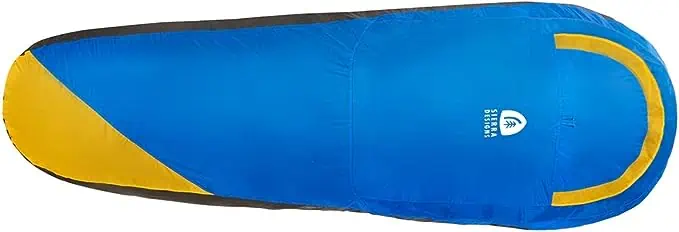
Our Take
The Sierra Designs Backcountry Bivy is a solid ultralight option for solo backpackers who prioritize shaving ounces over creature comforts.
At under a pound with a one-minute setup, it delivers on the minimalist promise, and the large U-shaped entry with integrated bug netting makes getting in and out less of a wrestling match than most bivys.
The durability is respectable for the weight class, but be aware that condensation builds up heavily in the footbox and those non-sealed zippers will let moisture in during wet conditions.
For around $170, it's a fair deal if you understand what you're getting: a bare-bones sleep system that works best in dry weather, not a bomb-proof four-season fortress.
Ask our AI for instant answers from our reviews and specs — comparisons, sizing, and who it's best for.
How We Rated It
Pros & Cons
PROS
- ✓Large U-shaped entry
- ✓Integrated bug netting
- ✓Tapered weight-saving cut
CONS
- ✕Heavy footbox condensation
- ✕Leaky non-sealed zippers
How It Compares
| Tent | Score | Est. Price | Weight | Sleeps | Seasons | Floor Area | Vestibule | Doors | |
|---|---|---|---|---|---|---|---|---|---|
 Sierra Designs Sierra Designs Backcountry Bivy This tent | ★ 7.4 | $170 | 0.9 lbs | 1 people | 4-season | 17 sq ft | — | 1 | ✓ Current |
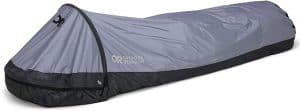 Outdoor Research Outdoor Research Helium Bivy | ★ 7.4 | $225 | 15.8 oz | 1 people | 3-season | 14 sq ft | 0 sq ft | 1 | vs → |
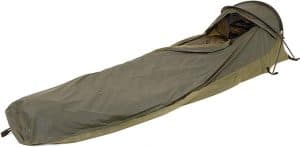 Snugpak Snugpak Stratosphere Bivy Sack | ★ 7.4 | $249 | 2.5 lbs | 1 people | 4-season | 19 sq ft | — | 1 | vs → |
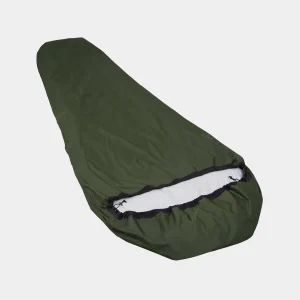 Alpkit Alpkit Hunka | ★ 7.5 | $95 | .88 lbs | 1 people | 3-season | — | 0 sq ft | 1 | vs → |
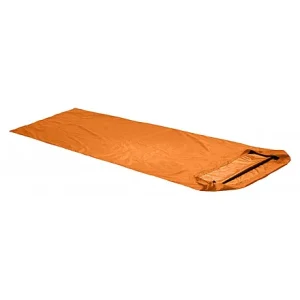 Ortovox Ortovox Bivy Ultralight | ★ 7.0 | $35 | 7 oz | 1 people | Survival | — | 0 sq ft | 1 | vs → |
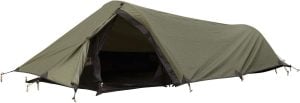 Snugpak Snugpak Ionosphere Bivy Tent | ★ 7.9 | $299 | 3.9 lbs | 1 people | 4-season | 23 sq ft | 0 sq ft | 1 | vs → |
What We Think
At under a pound, the Sierra Designs Backcountry Bivy is one of the lightest enclosed shelters you can buy, and it's designed specifically for campers who use roomy sleeping systems like Sierra Designs' own Backcountry Bed.
It scored a 7.4 overall, earning high marks for simplicity and packability while losing points for moisture management issues that owners consistently flag.
This is a bivy for fair-weather minimalists who understand what they're getting, not a shelter that pretends to do everything.
Ease of Use
The one-minute setup time is real, and owners confirm it's essentially a "roll it out and climb in" situation.
The large U-shaped entry is the most-praised feature in owner feedback, making it far easier to get in and out than traditional bivies with cramped openings.
That same opening doubles as ventilation on clear nights, and the integrated bug netting means you can leave it unzipped without waking up with mosquitoes.
It scored an 8.0 in Ease of Use, which is excellent for this category.
Quality & Durability
The 30D nylon ripstop floor is reasonably tough for a sub-one-pound shelter, though it's worth noting that most ultralight bivies sacrifice floor durability for weight savings.
Sierra Designs backs it with a limited lifetime warranty, which signals confidence in the construction.
The tapered cut that owners praise for weight savings also means the materials are working hard, so treat it like the precision tool it is rather than a burly shelter you can abuse.
It scored an 8.0 in Quality & Durability.
Weather Resistance
Here's the honest weakness: this bivy struggles with moisture, and owners are vocal about it.
A recurring theme in negative reviews is heavy condensation in the footbox, which is a common bivy problem but particularly pronounced here.
Owners also flag that the non-sealed zippers can leak in sustained rain, making this a shelter that genuinely needs a tarp overhead in wet conditions.
If you're planning trips where rain is likely, check out our guide to the best camping tarps before you head out.
The Snugpak Ionosphere Bivy Tent offers better storm protection with a hooped design and sealed seams, though at around $299 and 3.9 lbs, you're paying significantly more in both dollars and pack weight.
It scored a 7.0 in Weather Resistance, which is fair for a bivy in this price range but requires realistic expectations.
Space & Comfort
The 16.7 square feet of floor space is generous for a bivy, and the design specifically accommodates wide sleeping pads and puffy bags.
That said, the 10-inch peak height means you're not sitting up in here, and anyone who feels claustrophobic in tight spaces should test their tolerance before committing to a bivy as their primary shelter.
It scored a 7.0 in Space & Comfort.
Value for Money
At around $170, the Backcountry Bivy sits in the middle of the ultralight bivy market.
The Alpkit Hunka costs just $95 at a nearly identical weight, though it's a simpler design without the U-shaped entry or integrated bug netting.
For the feature set and weight, $170 is reasonable but not a screaming deal.
It scored a 7.0 in Value for Money.
User Reviews
Owner feedback is consistent: people love the entry design and packability, and they're frustrated by the condensation and zipper leakage.
It scored an 8.0 in User Reviews, reflecting genuine satisfaction from campers who use it within its limitations.
Who It's For
This bivy is built for ultralight backpackers who prioritize speed and simplicity over weather protection.
If you're a fair-weather thru-hiker, a bikepacker counting grams, or someone who wants emergency shelter without the weight of a full tent, the Backcountry Bivy makes sense.
It's also a smart choice for campers already using Sierra Designs' wider sleeping bags who need a bivy that won't compress their insulation.
The Bottom Line
The Sierra Designs Backcountry Bivy scored a 7.4 and earns it through exceptional packability and a thoughtful design for wide sleeping systems.
The moisture management issues are real and well-documented, so this is a shelter that rewards realistic expectations.
Bring a tarp for wet weather, and you've got a sub-one-pound shelter that does exactly what it promises.
Full Specifications
| Tent Type | Bivy, Backpacking |
|---|---|
| Seasons | 4-season |
| Sleeps | 1 people |
| Weight | 0.9 lbs |
| Floor Area | 16.7 sq ft |
| Peak Height | 10" |
| Doors | 1 |
| Packed Size | 11.69 x 7.05 x 3.94 inches |
| Setup Time | 1 min |
| Floor Fabric | 30D Nylon Ripstop |
| Made In | Imported |
| Warranty | Limited Lifetime Warranty |
| Price | $170 |
Frequently Asked Questions
Who is the Sierra Designs Backcountry Bivy best for?
How quickly can you set up the Sierra Designs Backcountry Bivy?
How does the Backcountry Bivy handle rain and wet conditions?
Is the Sierra Designs Backcountry Bivy worth $170?
How much room do you actually have inside this bivy?
How does the Sierra Designs Backcountry Bivy compare to the Outdoor Research Helium Bivy?
How does this bivy compare to the budget-friendly Alpkit Hunka?
What do owners typically say about the Backcountry Bivy?
Similar Tents You Might Like
Find Your Perfect Tent — In Minutes, Not Hours.
Ask our AI or take the 5-question quiz.
Find My Tent →