
MSR FreeLite 1 Tent
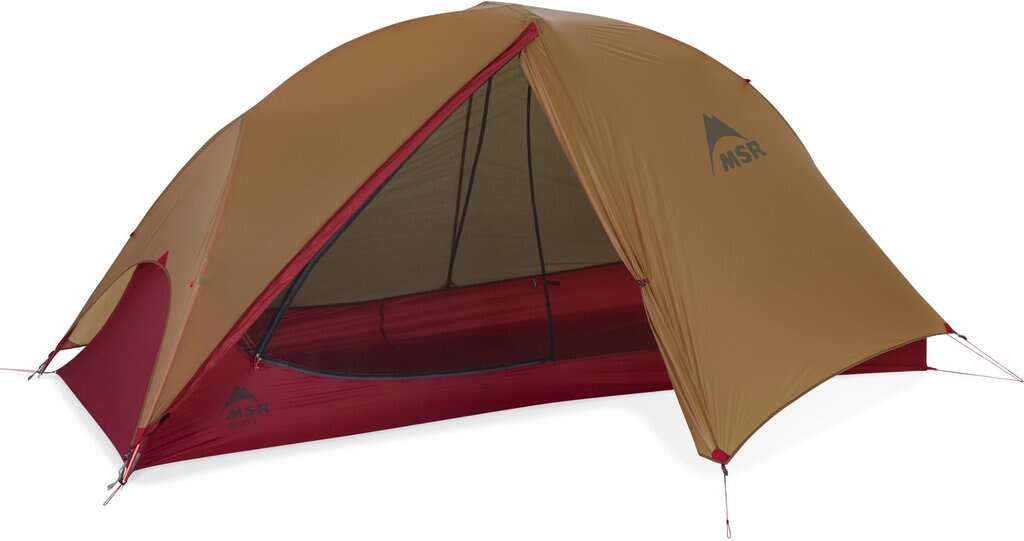
Our Take
For solo backpackers who count every ounce, the MSR FreeLite 1 Tent delivers at just under two pounds without sacrificing livable space.
The 20 square feet of floor area gives you room to actually sit up inside, and the quick setup means less fussing around after a long day on the trail.
You will need to stake it out properly since it's semi-freestanding, and that 1200mm waterproof rating is on the low side if you regularly camp in heavy rain.
At around $440 it's not cheap, but weight-obsessed trekkers who stick to fair-weather windows will appreciate what MSR pulled off here.
Ask our AI for instant answers from our reviews and specs — comparisons, sizing, and who it's best for.
How We Rated It
Pros & Cons
PROS
- ✓Ultralight weight saves your back
- ✓Quick semi-freestanding setup saves time
- ✓Spacious interior allows sitting upright
CONS
- ✕Semi-freestanding design requires staking out
- ✕Low 1200mm waterproof rating concerns
How It Compares
| Tent | Score | Est. Price | Weight | Sleeps | Seasons | Floor Area | Vestibule | Doors | |
|---|---|---|---|---|---|---|---|---|---|
MSR MSR FreeLite 1 Tent This tent | ★ 8.2 | $440 | 1 lb 15 oz | 1 people | 3-season | 20 sq ft | 8 sq ft | 1 | ✓ Current |
 Mountain Hardwear Mountain Hardwear Nimbus UL 2 Tent | ★ 8.2 | $460 | 2.3 lbs | 1 people | 3-season | 28 sq ft | 8 sq ft | 1 | vs → |
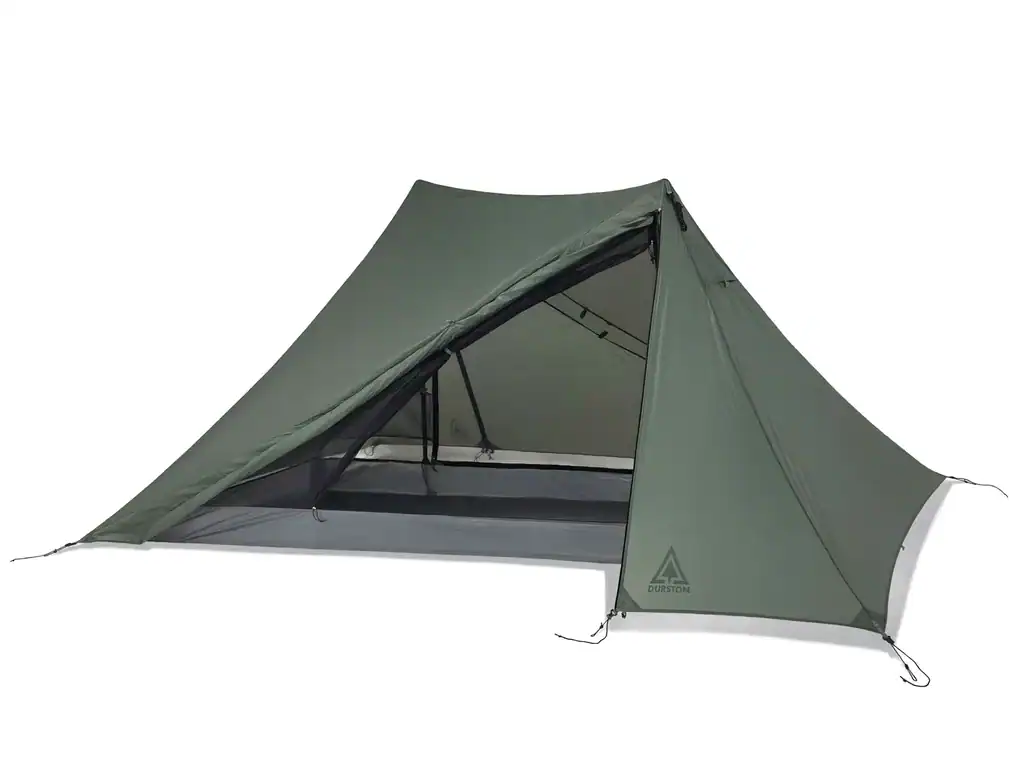 Durston Durston X-Mid 1P | ★ 8.2 | $269 | 1.6 lbs | 1 people | 3-season | 20 sq ft | 10 sq ft | 2 | vs → |
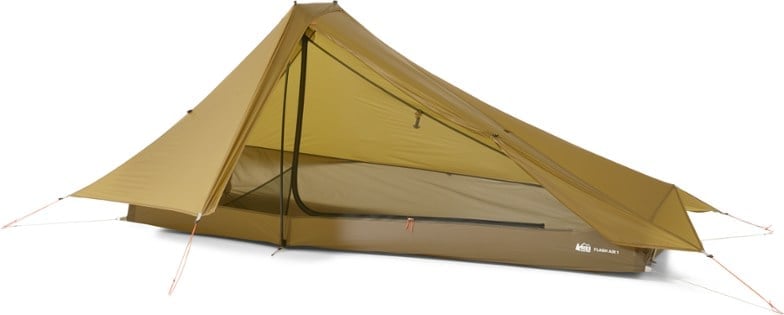 REI Co-op REI Co-op Flash Air 1 Tent | ★ 8.1 | $329 | 1 lb 6 oz | 1 people | 3-season | 21 sq ft | 8 sq ft | 1 | vs → |
 Big Agnes Big Agnes Copper Spur UL2 Tent | ★ 8.1 | $600 | 3 lbs | 1 people | 3-season | 29 sq ft | 9 sq ft | 2 | vs → |
 Big Agnes Big Agnes String Ridge VST 1.5 Tent | ★ 8.1 | $550 | 1.2 lbs | 1 people | 4-season | 22 sq ft | 9 sq ft | 1 | vs → |
What We Think
For solo backpackers who treat every ounce as a negotiation, the MSR FreeLite 1 delivers a compelling argument at just under two pounds.
This tent scored a 8.2 overall, earning its marks through genuine livability that most ultralight shelters sacrifice at the altar of weight savings.
The tradeoff math here is straightforward: you get real interior space and quick pitching, but you'll need to be thoughtful about site selection and weather windows.
Ease of Use
The FreeLite 1 scored a 9.0 in Ease of Use, and owners consistently back this up.
The semi-freestanding design with DAC NFL aluminum poles means you can get the basic structure up fast, then stake out the vestibule and corners for full tension.
Multiple owners report pitching it solo in under five minutes even on their first attempt, which matters when you're stumbling into camp after a long day on the trail.
The large side-entry vestibule and no-curve zippers are small details that add up to less fumbling in the dark.
Space & Comfort
At 20 square feet of floor area and 39 inches of peak height, this tent scored a 8.5 in Space & Comfort.
The most common praise from owners is the ability to actually sit upright inside, a luxury that many sub-two-pound tents simply don't offer.
The 8 square-foot vestibule handles your pack and boots without crowding the interior.
If you're comparing options, the REI Co-op Flash Air 1 Tent shaves another nine ounces at around $329, but you'll feel that weight savings in reduced interior volume.
Quality & Durability
The 15D ripstop nylon throughout is standard ultralight fare, and it scored a 8.0 in Quality & Durability.
This fabric weight is a deliberate choice for gram-counters, but it demands more care than burlier materials.
The StayDry rain gutter over the zipper is a thoughtful touch that prevents drips when entering during rain.
Tech-friendly pockets with cable ports and overhead gear lofts round out the interior organization.
Weather Resistance
Here's the required honesty: the 1200mm hydrostatic head rating scored a 8.0 in Weather Resistance, and that number represents the tent's clearest limitation.
This is entry-level waterproofing, functional for typical three-season showers but not what you want in a sustained mountain storm.
A recurring theme in owner reviews is concern about this rating, particularly from those who camp in genuinely wet climates.
The Durston X-Mid 1P offers a trekking-pole-supported alternative at around $269 and 1.6 pounds, though it requires a different pitching mindset entirely.
Value for Money
At around $440, the FreeLite 1 scored a 8.0 in Value for Money.
That's real money, but it's positioned reasonably within the ultralight solo market.
The Big Agnes Copper Spur UL2 runs $600 and adds a full pound, which illustrates how aggressively MSR priced the weight savings here.
User Reviews
Owner feedback scored a 8.8, the highest dimension score for this tent.
The consistent thread is that the weight savings genuinely translate to easier miles without the cramped misery that plagues many ultralight competitors.
Owners who stake it out properly report solid performance; those who skip that step on hard ground learn the lesson quickly.
Who It's For
The FreeLite 1 fits the solo thru-hiker or weekend backpacker who prioritizes packweight but refuses to spend every night hunched over in a coffin-shaped shelter.
You'll want to be comfortable with semi-freestanding designs and realistic about avoiding extended foul weather.
If you occasionally share a tent or want more vestibule space, MSR also makes the FreeLite 2 at around $500.
The Bottom Line
The MSR FreeLite 1 scored a 8.2 by delivering genuine livability at a weight that won't punish your knees.
The 1200mm waterproofing is the honest caveat: plan your trips around fair-weather windows, invest in quality tent stakes, and this shelter earns its place in your pack.
For weight-obsessed solo trekkers who understand the tradeoffs, it's a smart buy.
Full Specifications
| Tent Type | Backpacking, Ultralight |
|---|---|
| Seasons | 3-season |
| Sleeps | 1 people |
| Weight | 1 lb 15 oz |
| Min Trail Weight | 1 lb 10 oz |
| Floor Area | 20 sq ft |
| Vestibule Area | 8 sq. ft. |
| Peak Height | 3' 3" |
| Floor Dimensions | 87 x 33 in |
| Doors | 1 |
| Packed Size | 4 x 18 in |
| Setup Time | 5 mins |
| Pole Material | DAC NFL Aluminum |
| Poles | 2 |
| Floor Fabric | 15D ripstop nylon |
| Rainfly Fabric | 15D ripstop nylon 1200mm polyether urethane and silicone |
| Footprint Included | No |
| Made In | Imported |
| Warranty | Limited |
| Additional Notes | Large side-entry vestibule, Tech-friendly pockets with cable ports, Overhead gear lofts, Durable no-curve zippers, StayDry rain gutter |
| Price | $440 |
Frequently Asked Questions
Who is the MSR FreeLite 1 best suited for?
How long does it take to set up the MSR FreeLite 1?
How well does the FreeLite 1 handle rain and wind?
Is the MSR FreeLite 1 worth $440?
How much headroom and floor space does the FreeLite 1 provide?
How does the MSR FreeLite 1 compare to the REI Co-op Flash Air 1?
How does the FreeLite 1 compare to the Big Agnes Copper Spur UL2?
What do owners say about the MSR FreeLite 1 in their reviews?
Similar Tents You Might Like
Find Your Perfect Tent — In Minutes, Not Hours.
Ask our AI or take the 5-question quiz.
Find My Tent →