

When a wildfire threatens your area, every second counts.
Living in Arizona, this is something I think about all the time, and after the recent LA fires, my wife and I realized it was time to finally better plan ahead in the event of a quick evacuation.
Preparing in advance and knowing what to do during an evacuation can save lives, preserve precious belongings, and reduce stress.
In this article, I will share with you our Wildfire Evacuation Checklist as well as essential do's and don'ts to keep in mind when faced with a wildfire emergency.
Wildfire Evacuation Checklist
Essential Documents
- Identification (driver's licenses, passports)
- Birth and marriage certificates
- Social Security cards
- Insurance policies (home, health, auto)
- Medical records, prescriptions, and vaccination history
- Financial documents (bank account info, deeds, titles)
- Emergency contact list
Emergency Supplies
- Fully charged cell phone and portable charger
- Flashlight with extra batteries
- First aid kit
- Extra set of car and house keys
- Cash in small denominations
Personal Items
- Medications (7-day supply, if possible)
- Eyeglasses, contact lenses, and solution
- Face masks (N95 if available)
- Personal hygiene items (toothbrush, toothpaste, deodorant, etc.)
- Extra clothes (including sturdy shoes and a jacket)
Food and Water
- Bottled water (at least 1 gallon per person per day)
- Non-perishable snacks (granola bars, nuts, dried fruit)
- Baby formula and food (if needed)
Technology and Communication
- Battery-powered or hand-crank radio
- USB drives with backups of critical files/photos
- Maps of your area (in case GPS isn't available)
Pets
- Leash, harness, or carrier
- Food and water (3-day supply)
- Pet medication and medical records
- ID tags or microchip info
Irreplaceable Items
- Family photos or albums
- Sentimental keepsakes
Evacuation Essentials
- Go-bag for each family member with 72-hours worth of clothes:
- Sturdy shoes
- A warm jacket
- Socks
- Underwear
- 3 changes of clothes
- Pajamas
- Emergency kit for your car
- Evacuation route map
Before You Leave Your Home
- Shut windows and doors
- Move flammable items away from windows/doors
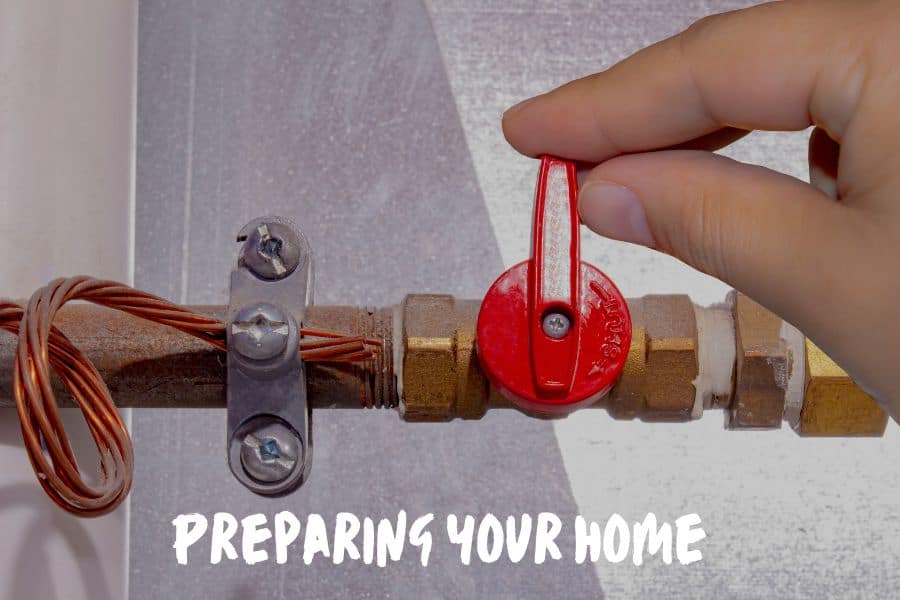
- Turn off gas and pilot lights
- Leave a note on your door with contact info and evacuation details
Do's and Don'ts of Wildfire Evacuation
Here is what you should and shouldn't do in an emergency wildfire evacuation scenario:
Do:
- Act Immediately: Don't wait for mandatory evacuation orders if you feel unsafe. Be proactive!
- Keep Your Vehicle Ready: Ensure your car has a full tank of gas and is loaded with your go-bags.
- Communicate: Let family or friends know your evacuation plan and your destination.
- Follow Local Alerts: Monitor emergency channels or apps for real-time updates.
Don't:
- Return Prematurely: Never go back to retrieve items once you've evacuated. It's not worth risking your life.
- Overload Your Bag: Pack only the essentials. Lugging around extra weight can slow you down.
- Forget Your Pets: Plan for your furry friends by packing food, water, and any medications they need.
Emergency Contacts and Family Plans

Creating a clear communication and evacuation plan is one of the most critical steps in wildfire preparedness.
Begin by designating a family meeting spot outside the evacuation zone where everyone can regroup if separated.
Share this information with all family members and practice it ahead of time.
Identify multiple evacuation routes in case roads are blocked or inaccessible, and keep an updated list of emergency contacts handy.
This list should include phone numbers for local fire departments, evacuation shelters, and utility providers for gas, water, and electricity.
It's also wise to establish an out-of-town emergency contact who can act as a central point of communication for your family. Keep a physical copy of the plan in your go-bag as a backup to digital versions.
Preparing Your Home Before Evacuating
Before leaving your home during an evacuation, take quick steps to reduce the risk of fire spreading to or within your property.
Shut off the gas supply if instructed by emergency personnel to prevent leaks or explosions.
Close all windows, doors, and vents to minimize airflow that could feed a fire.
If time permits, move flammable outdoor items such as patio furniture, wood piles, or propane tanks away from your home.
Inside, remove flammable materials like curtains or papers from windows.
Leave lights on in every room to make your home more visible to first responders working in smoky or low-visibility conditions.
Frequently Asked Questions
How much water should I pack for a wildfire evacuation?
You should pack at least 1 gallon of bottled water per person per day.
This ensures each family member has adequate hydration during the evacuation period.
Should I wait for a mandatory evacuation order before leaving my home during a wildfire?
No, you should not wait for mandatory evacuation orders if you feel unsafe.
We emphasize being proactive and acting immediately when a wildfire threatens your area, as every second counts.
What should I do with my gas supply before evacuating?
You should shut off the gas supply if instructed by emergency personnel to prevent leaks or explosions.
Additionally, turn off pilot lights before you leave your home.
Why should I leave lights on in my home when evacuating?
Leaving lights on in every room makes your home more visible to first responders who may be working in smoky or low-visibility conditions.
This helps emergency personnel locate and assess your property more easily.
How many days' worth of supplies should I pack for my pet during evacuation?
You should pack a 3-day supply of food and water for your pet.
Additionally, bring pet medication, medical records, ID tags or microchip info, and a leash, harness, or carrier.
What type of face masks are recommended for wildfire evacuation?
N95 face masks are recommended if available.
These should be included in your personal items as part of your wildfire evacuation checklist to protect against smoke and poor air quality.
Final Thoughts
Wildfires are unpredictable, and the best way to stay safe is to prepare well in advance.
I think the best thing you can do is print out our checklist, and pre-pack as many emergency items as you can into a tub including the list!
Then in a real emergency, you'll be better equipped to face a wildfire evacuation head-on.
Stay safe, stay informed, and always put safety first!
For a detailed Wildfire Evacuation Preparedness Checklist, print the version available here:
Please also let us know if we missed anything. Thanks!