

The outdoors can be breathtaking—but it can also turn dangerous in an instant.
From sudden storms in the mountains to treacherous waters offshore, nature constantly reminds us to stay humble and prepared.
Below, seasoned hikers, guides, and explorers share close calls and the powerful lessons they learned so you can venture smarter.
Nature Demands Respect on the Inca Trail
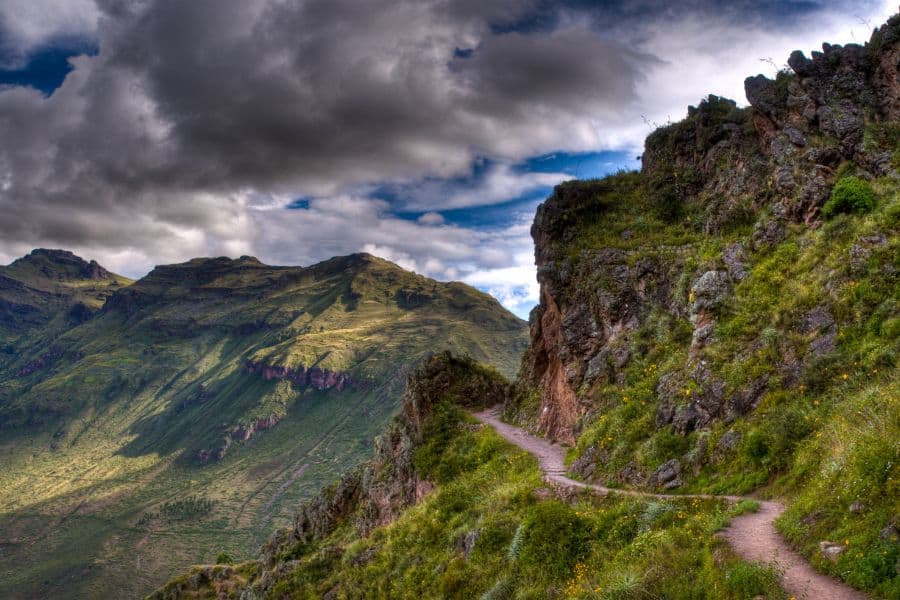
The most harrowing situation I encountered in the outdoors occurred on the Inca Trail during the rainy season, while I was still in my twenties working as a porter.
A deluge of rain had loosened the rocks and soil, sending them tumbling down a narrow part of the path where dozens of us were bringing supplies to trekkers.
I heard that sound for the first time, like nearby thunder, and within seconds, that section of the trail had been wiped out in front of me.
If I had taken two steps further, I would have been swept into a ravine over 100 meters deep.
That day, we lost equipment, almost $300 worth of food and gear, which is a disaster for a small team.
However, what impressed me was not the monetary loss. It was another reminder of how delicate the balance was between humans and the mountains.
That experience also opened my eyes to respect all of the signs that the land sends us.
I learned to backtrack when clouds swiftly gather, to listen when the earth beneath my feet begins to shift, and to prioritize safety even if it means canceling a hike.
That landslide did not claim any lives, but it changed the way I guide people and the way I teach them.
Nature is never our enemy; it is always a master that requires our complete attention.
Miguel Angel Gongora Meza, Founder & Director, Evolution Treks Peru
Unexpected Winds Challenge Hiker's Preparedness
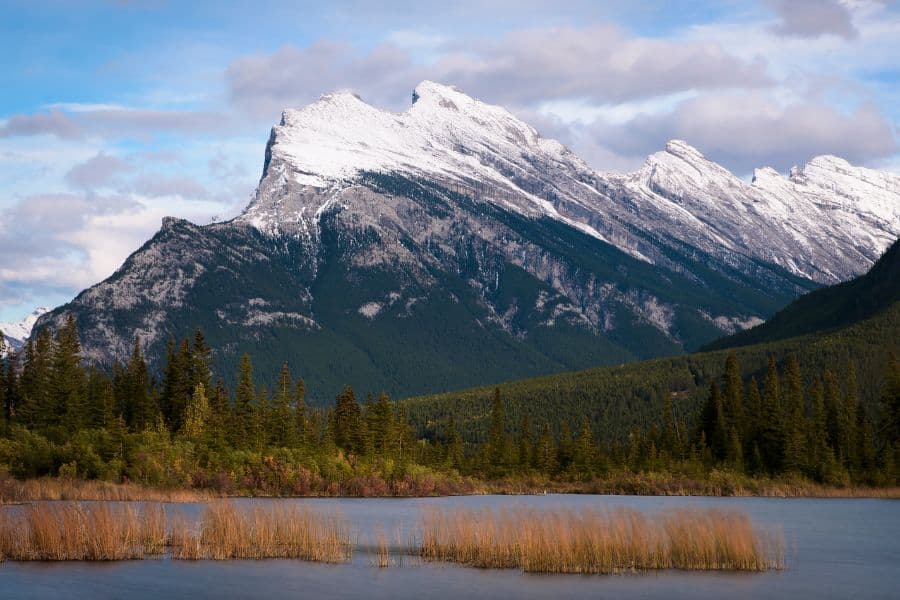
Hiking in the Canadian Rocky Mountains, I climbed the EEOR trail (East End of Rundle) near Canmore.
The weather forecast had shown a clear, warm, and calm day.
About 3/4 of the way to the summit, 100 km winds came out of nowhere while I was on a steep incline, which nearly knocked me down the mountain.
Three other hikers and I, who were a few minutes ahead of me, had to shield ourselves from the wind behind large boulders further up the trail to avoid falling thousands of feet off Mt. Rundle.
We waited about an hour before the wind died down, and it was safe enough to move from behind the rock.
I learned that regardless of how prepared you might think you are (checking weather forecasts, bringing safety equipment, etc.), you can never control the weather, and things can change drastically in an instant.
So you need to be prepared for the fact that you're always going to be a little underprepared, and expect the unexpected.
Michelle O'Donnell, Travel Writer, BritAdventures.com
Off-Road Adventure Tests Couple's Teamwork
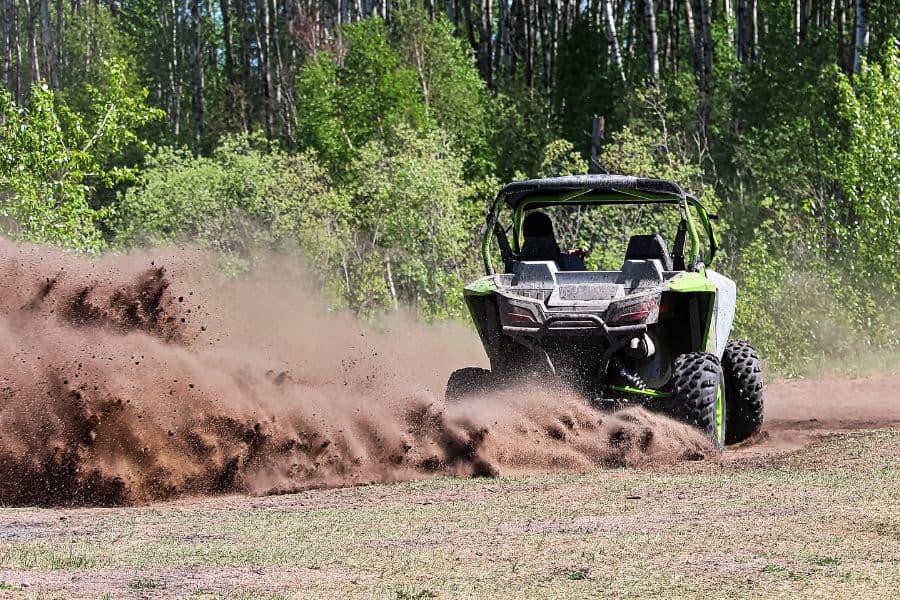
As someone who has spent decades on two wheels and exploring everything from Missouri mud to South Dakota peaks, my scariest moment came during our 2024 Sturgis trip when we took side-by-sides up to Custer Peak Fire Lookout Tower.
Rain had made the trails treacherous, and halfway up this narrow mountain path, my wife Angie (Mama Badger) got behind the wheel.
The trail turned into a nightmare of loose rocks and mud with a serious drop-off on one side.
Angie hit a slick patch, and we started sliding sideways toward the edge–I'm talking about a fall that would have been game over.
For those few seconds, I realized we had gotten overconfident because we were having so much fun that we forgot to respect the terrain.
What I learned changed how I approach any outdoor adventure now.
Fun doesn't equal safe, and weather changes everything–even familiar trails become death traps when conditions shift.
Now I always do a quick safety check with my group before we get caught up in the excitement.
The crazy part is we made it to the top that day, and the views were incredible, but I never forgot those few seconds of sliding toward disaster.
That experience taught me that the best adventures happen when you balance the thrill with smart decision-making, especially when you're responsible for someone else's safety too.
Sonny Da Badger, Content Creator, Support Bikers
High-Centered Truck Teaches Recovery Skills
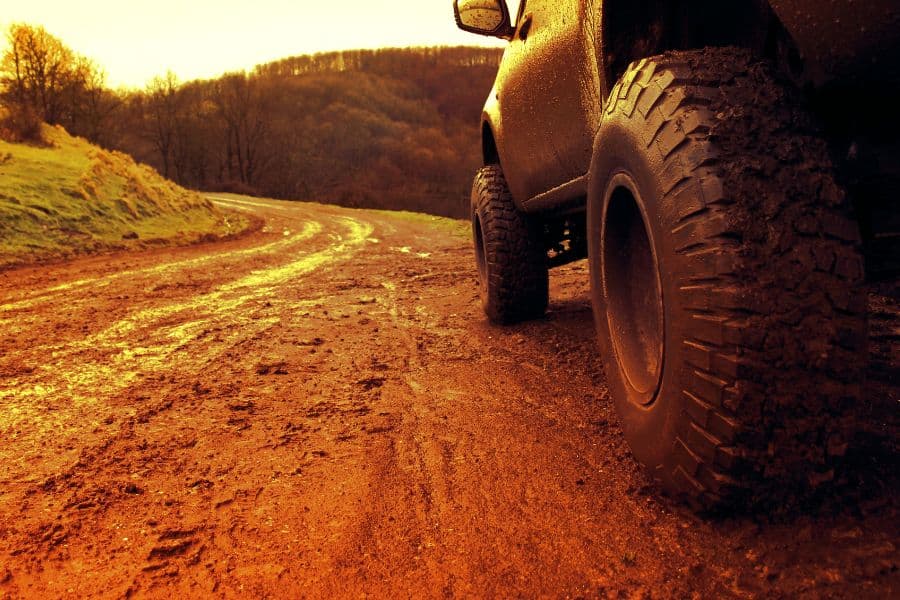
Last year, I was driving our Flatbed Hawk down a steep, narrow trail to camp at the edge of the Grand Canyon.
About halfway back up during our exit, our truck got high-centered on a rock with one wheel completely off the ground at a dangerous angle.
My wife Pam and I had done 4×4 training beforehand, but this was our first real test under pressure.
What saved us was staying calm and working as a team–no finger-pointing or panic.
We methodically chocked the tires, hand-built a rock ramp, and slowly backed out without any damage.
The scary part wasn't the mechanical situation, but realizing how quickly things can go sideways even when you think you're prepared.
We had radios, we had walked the route, but rocks shift and lines drift when you're focused on other hazards.
Now I always tell people in our community: practice your recovery skills before you need them, and never travel solo in technical terrain.
That moment taught me that having the right gear means nothing if you don't have the teamwork and mindset to use it effectively when adrenaline kicks in.
Eric Hyde, Marketing Manager, Four Wheel Campers
Darkness Descends on Table Mountain Climb
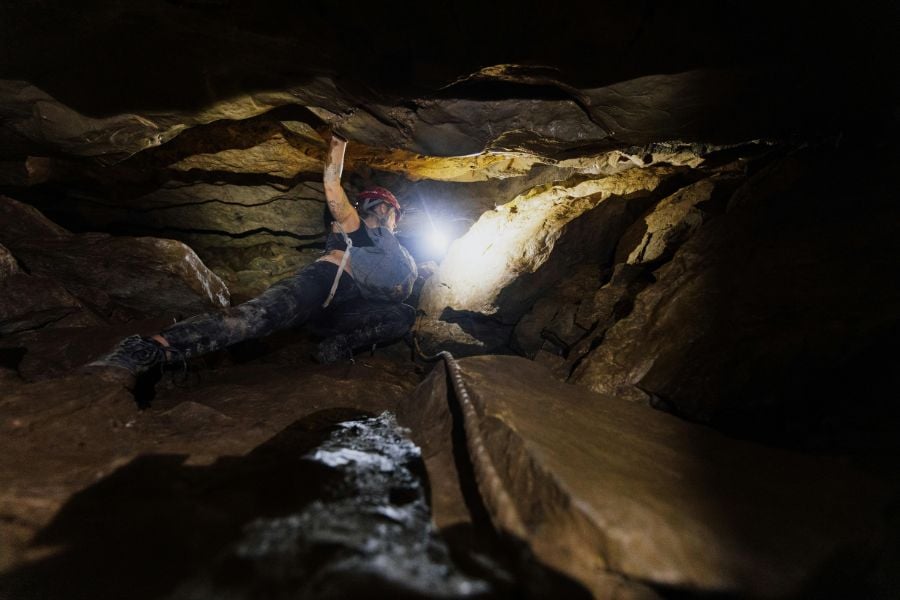
We set out to do a climb on Table Mountain in Cape Town.
We had recently entered the autumn months, and so we overestimated how much daylight we had to climb.
It took us 3 abseils to get to the start of the climb and amongst all the talking and rope issues with the abseil in, we only started our climb at 15:00 as a party of 4 climbing in groups of 2.
The climb consisted of 3 pitches, 2 hard pitches and the final pitch being a lot easier.
Unfortunately, by the time we got to the start of the 2nd pitch, which was a hairy traverse, the sun had set and it was getting dark fast.
The party of 2 had just finished the traverse, but myself and my climbing partner still had to do it.
By the time we got going to start the pitch, it was simply too dark and too risky to proceed.
We therefore had to self-rescue, which involved setting anchors in the rock and abseiling out with only one head torch between us.
We eventually got to the bottom of the route safely and convened with our mates – this was at about 21:00.
The key learning from this experience is to always go fully prepared for climbing/hiking in the dark if you're starting your day out after lunch.
Make sure each person has a head torch, and enough food and water, as well as a warm layer.
Marc Bromhall, Founder, Cape Trek
Rough Waters Push Pontoon to Its Limits
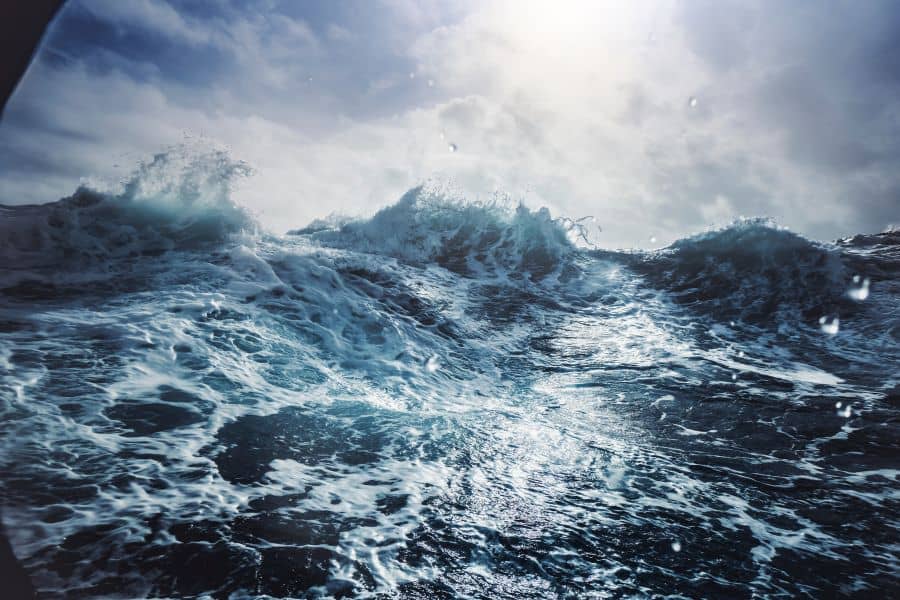
Growing up on boats and jet skis, I thought I knew water like the back of my hand until one afternoon completely changed my perspective.
We were out testing a new pontoon setup about 2 km offshore when the weather turned nasty–what started as light chop became 2-meter swells in under 20 minutes.
The real challenge wasn't the rough water itself, but realizing our custom floating pontoon storage system could become a liability in these conditions.
The pontoon started taking on water faster than expected, and suddenly our "game-changer" innovation felt like a death trap with expensive equipment attached.
What saved us was staying calm and using basic farm problem-solving–when something breaks, you don't panic, you fix it systematically.
We redistributed weight, sealed the leak with emergency patches, and slowly made our way back using the jet skis as extra stabilization.
That day taught me that no amount of experience makes you bulletproof on the water.
Now every boat goes out with triple-redundant safety gear, and we never launch without checking marine weather updates every hour.
I learned the difference between confidence and overconfidence–one keeps you safe, the other puts customers at risk.
Giovanni Randello, Owner, Gold Coast Pontoon and Jet Ski Tours
Winter Camping Reveals Importance of Backup Heat
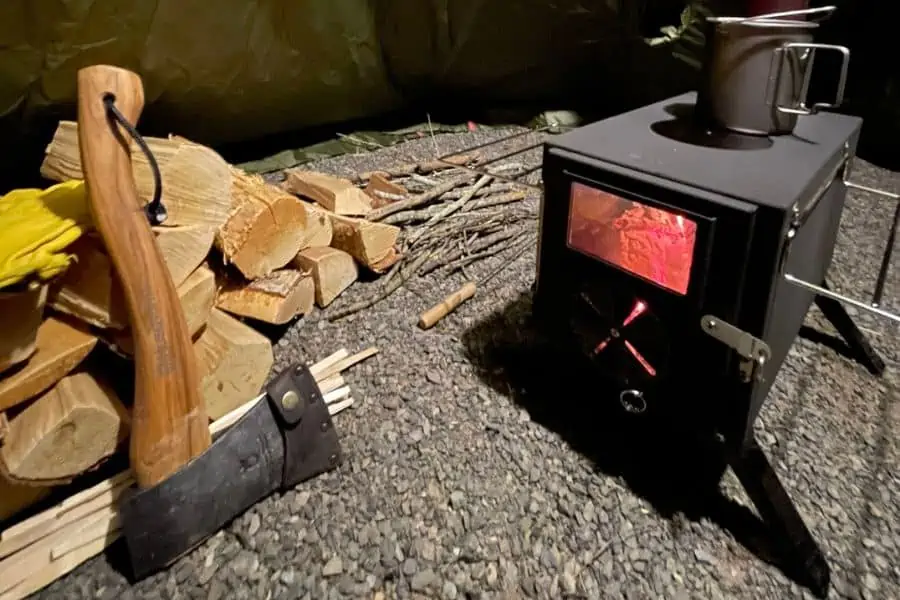
My scariest moment occurred during a winter setup in Michigan when I was living in one of our bell tents full-time.
The temperature plummeted to -30°F with brutal wind chills, and my wood stove went out in the middle of the night.
I awoke to find my water bottles frozen solid and could barely feel my fingers as I attempted to restart the fire.
The real terror wasn't the cold—it was realizing I had made a rookie mistake by not having backup heat sources ready.
I had to fumble in the dark with an electric heater while fighting symptoms of hypothermia.
That night taught me that redundancy isn't optional when your life depends on staying warm.
Now, I always run dual heating systems when camping in extreme conditions—a wood stove plus electric backup, just as outdoor living expert Christine Blue recommends.
More importantly, I learned that overconfidence can be deadly.
Just because I had grown up in harsh winters didn't mean I could skip the safety protocols I now teach my commercial clients.
That experience directly shaped how we advise glamping operators on winter setups.
We never recommend single-point-of-failure heating systems, and we always stress testing your backup systems before you actually need them.
Caitlyn Stout, Owner, Stout Tent
King Tide Traps Tour Group on Island
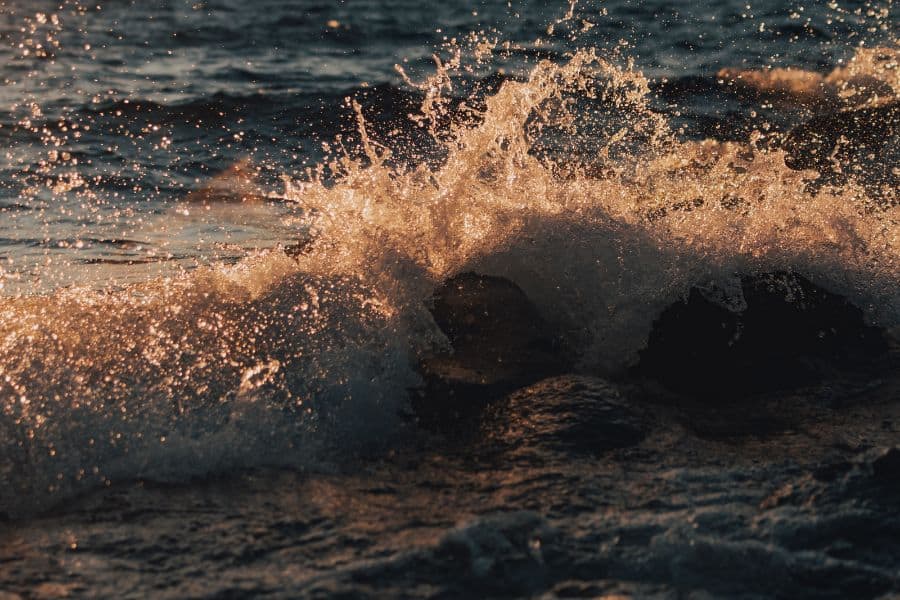
My scariest outdoor moment wasn't on a mountain or in the wilderness–it was during a Brisbane 360 tour to North Stradbroke Island when our group got caught in a sudden king tide while walking the North Gorge Walk.
The water came up fast, cutting off the return path for 12 international students I was guiding.
What made it truly terrifying was realizing I'd relied too heavily on "local knowledge" without checking the actual tide charts that morning.
I thought I knew Straddie well enough after years of tours, but assumptions nearly put people in real danger.
We had to scramble up the rocks and wait two hours for the water to recede.
That experience taught me the difference between familiarity and preparation.
Now I check three different sources for any environmental conditions–tides, weather, and local warnings–even for places I've visited hundreds of times.
I also always carry emergency contact details for local rangers and coast guard, something I'd never bothered with before.
The lesson extends beyond just outdoor safety: expertise without verification is just overconfidence waiting to backfire.
Those students still joke about their "bonus adventure," but I never want to rely on luck instead of proper planning again.
Cam Storey, Owner, Brisbane 360
Solo Off-Roading Leads to Transmission Trouble
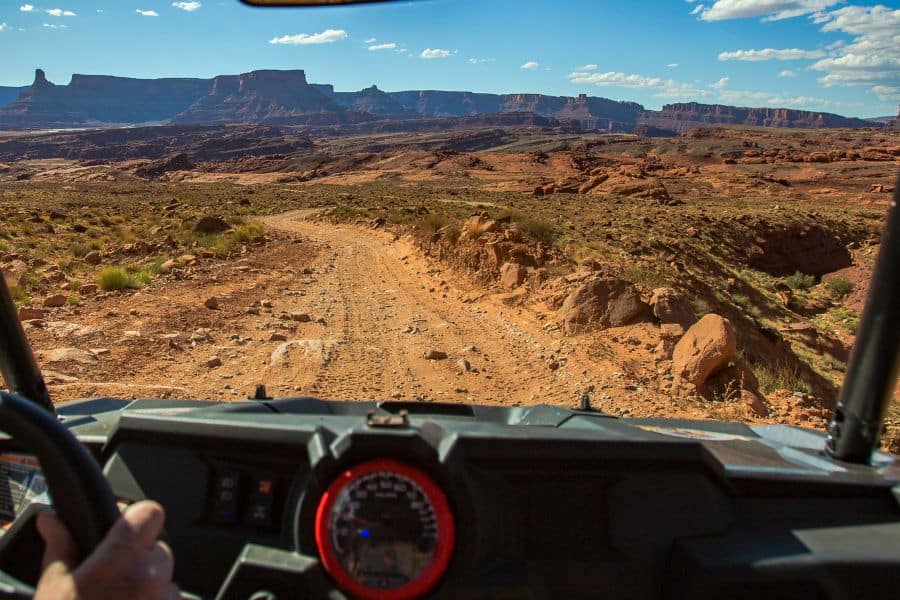
I've spent countless hours off-roading in my custom-built Jeeps through Utah's backcountry, but one trip near Moab nearly ended in disaster.
I was tackling a technical trail alone when my Jeep's transmission started overheating on a steep descent, and I had to choose between riding the brakes down or potentially losing control.
The scariest part wasn't the mechanical failure–it was realizing how isolated I was with zero cell service and no backup plan.
I ended up having to engine brake down the entire slope while the transmission temperature gauge stayed in the red zone.
The whole descent took 45 minutes of pure focus, knowing one wrong move could send me tumbling down the canyon.
That experience completely changed how I approach solo adventures.
Now I never head out without a satellite communicator and always tell someone my exact route and expected return time.
As a chiropractor, I see too many patients who've been injured in outdoor accidents, and that day taught me that even experienced enthusiasts can get caught off-guard.
The lesson hit home professionally too–just like in patient care, having contingency plans isn't paranoia, it's smart preparation.
I now carry extra transmission fluid and have learned basic trail repairs, because self-reliance in remote areas can literally save your life.
Gannon Ward, CEO, Atmosphere Chiropractic and Wellness
Slippery Limestone Teaches Hiker Caution
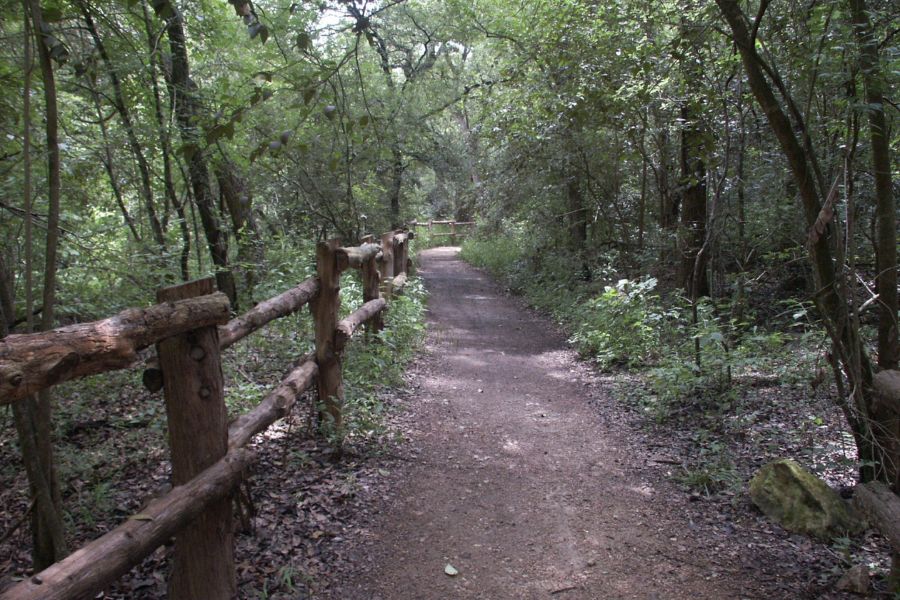
Back in June 2023, I was hiking at Barton Creek Greenbelt in Austin, Texas.
This is one of my favorite trails as it has rocky climbs mixed in with long stretches of quiet areas adjacent to the creek.
On that occasion, heavy rain had passed through the night before, and I miscalculated how slick the limestone would be.
While I was working my way across a very narrow section adjacent to the creek, my foot slipped, and I went down hard, sliding before catching myself against a ledge.
For a quick moment, I thought my day might be ruined, and I might be going for a swim in the creek or, worse, get injured.
This slip taught me how much conditions change outdoors and how a little overconfidence can lead to a mistake.
Since that trip, I now check the weather, carry better shoes with better tread, and slow down on all technical sections of the hike.
It showed me that preparation is as important as strength and that respecting the environment is the only way to keep enjoying it.
Dr. Chad Walding, Co-Founder and Chief Culture Officer, NativePath
Weather Changes Force Hiker to Adapt
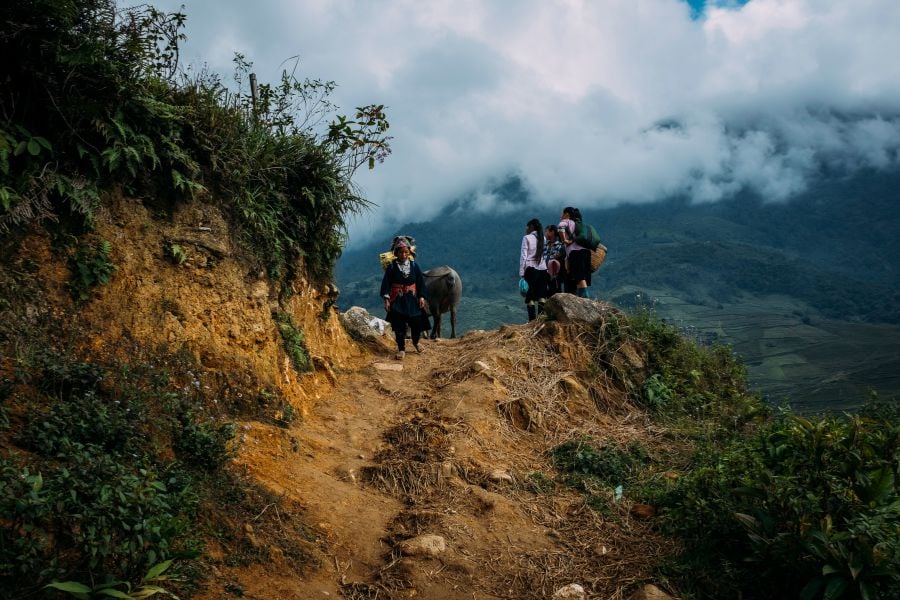
One of my most challenging outdoor moments was hiking in Peru when I underestimated how quickly the weather could change in the mountains.
Within an hour, clear skies turned into heavy rain, and the trail became slippery and dangerous.
I was underprepared, and it forced me to slow down, rethink my route, and rely on the basics instead of pushing ahead.
That experience shaped how I later wrote about trekking for The Traveler.
I learned that preparation is not just about gear but about humility, respecting nature, and adjusting when conditions demand it.
The outdoors rewards caution just as much as courage.
Alex Cornici, Founder and Editor-in-Chief, The Traveler
Forest Separation Emphasizes Buddy System Importance
 stayin
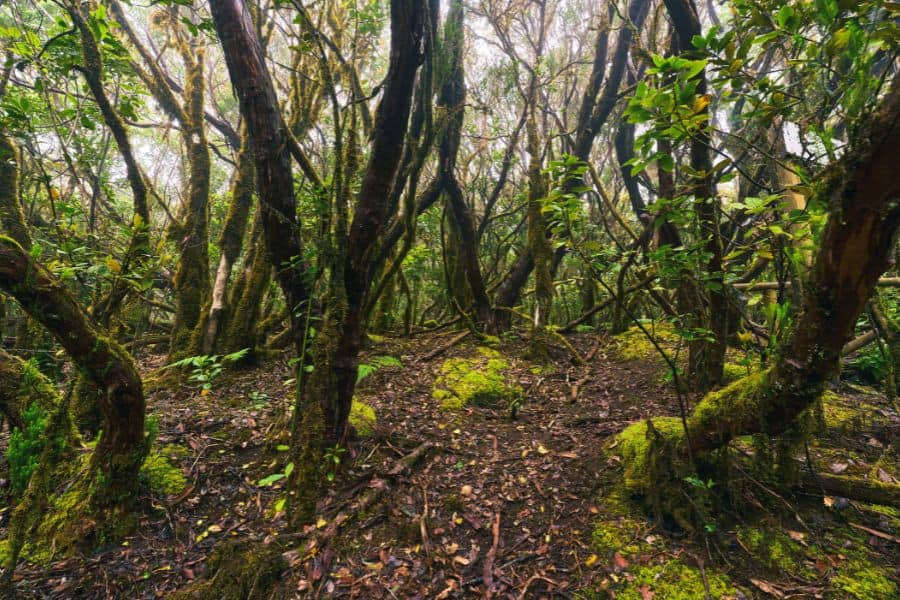
I once got separated from my group while hiking in a dense Tasmanian forest.
The trees were so thick that I could see only a few meters ahead of me, and within minutes, I had no idea where everyone had gone.
I walked for almost two hours at a reasonably steady pace and eventually found the trail.
That was a reminder that you can easily lose your way even with just a few steps off course.
After that experience, I only hike with a buddy, preferably within sight of each other and no more than 20 metres apart, where we briefly pause together every 30 minutes.
It slows the pace slightly, but it is safer for everyone.
Apart from the animals and the terrain, the real danger is when you lose sight of your direction and you're alone.
John Beaver, Founder, Desky
Final Thoughts
Nature is unpredictable, and that's exactly why we love it.
Preparation, respect, and adaptability are the real survival skills.
Whether you're tackling a legendary trail, camping in winter, or boating offshore, carry these lessons into the wild and come home with stories—not close calls.