

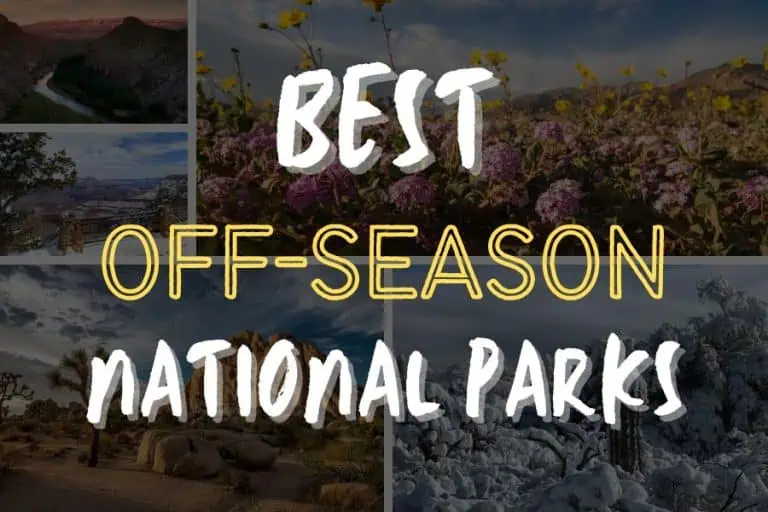
Think national parks are only worth visiting in summer? Think again.
When the crowds thin and the weather cools, America's most iconic parks reveal a completely different kind of beauty.
Snow blankets the Grand Canyon, desert wildflowers bloom in Death Valley National Park, and starlit skies stretch undisturbed across Big Bend.
We asked park enthusiasts and travel experts to share their favorite national parks to visit during the off-season — and why each is at its best when most travelers stay home.
Death Valley Reveals Wildflower Superbloom Potential
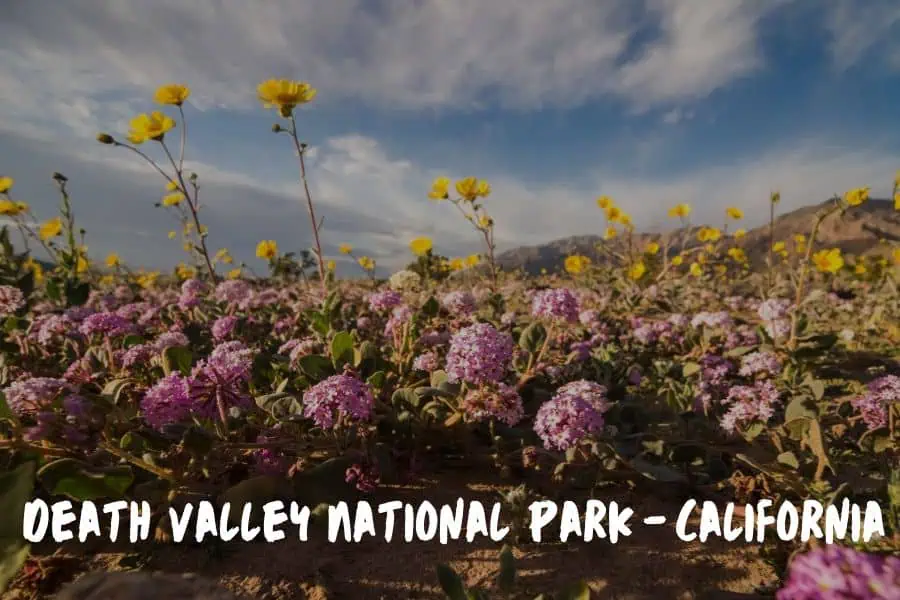
I'm going to go against the grain here and say Death Valley National Park in January through February.
I've deployed our canvas tents across desert locations on multiple continents, and Death Valley during winter hits differently — not just temperature-wise, but the visual drama is best.
What makes it exceptional is the rare wildflower superbloom potential.
When winter rains are right, the valley floor transforms into a carpet of color by late February or early March. I had clients set up a luxury tented camp there during a superbloom year, and they extended their booking three times because guests were so mesmerized.
The stark contrast between those golden sand dunes, snow-capped Telescope Peak, and wildflowers is something you simply can't get in summer.
From a camping standpoint, winter temps (60s during day, 40s at night) are perfect for canvas tents without needing AC — which is huge since many backcountry sites lack power.
We've had clients run our tents with just a small propane heater at night, whereas summer Death Valley would require serious cooling systems through our built-in AC port.
The tent canvas actually performs better in these conditions: no heat stress on the fabric, and the dry air prevents any moisture issues.
The other practical win: you can actually explore the salt flats and Artist's Palette without risking heat stroke. I've watched festival crews try to set up in desert summer heat, and it's brutal — winter setup is infinitely more pleasant for both staff and guests.
Caitlyn Stout, Owner, Stout Tent
Joshua Tree Magic When Temperatures Drop
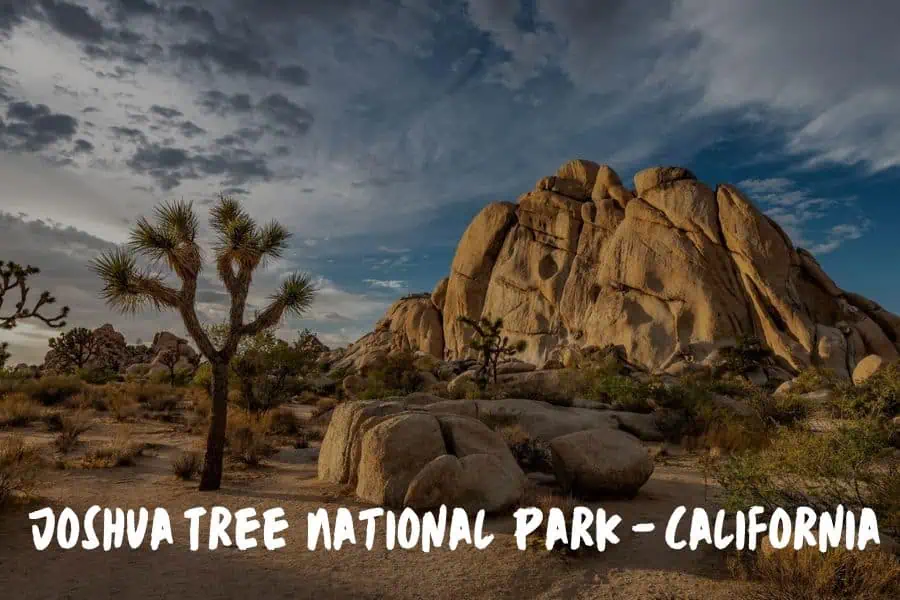
Joshua Tree National Park has a special kind of magic once the temperatures drop.
The desert turns calm, the air feels cleaner, and every sunset seems to last a little longer.
I love visiting during the cooler months because it's the only time you can hike comfortably all day.
You get to explore the rock formations, hidden trails, and wide-open silence without the summer heat.
The night skies are unreal too, with millions of stars above the quiet desert floor. It's peaceful, grounding, and somehow feels like time slows down there.
Dipti Behera, Travel Expert, Roave Travel
Big Bend Offers Three Ecosystems Without Crowds
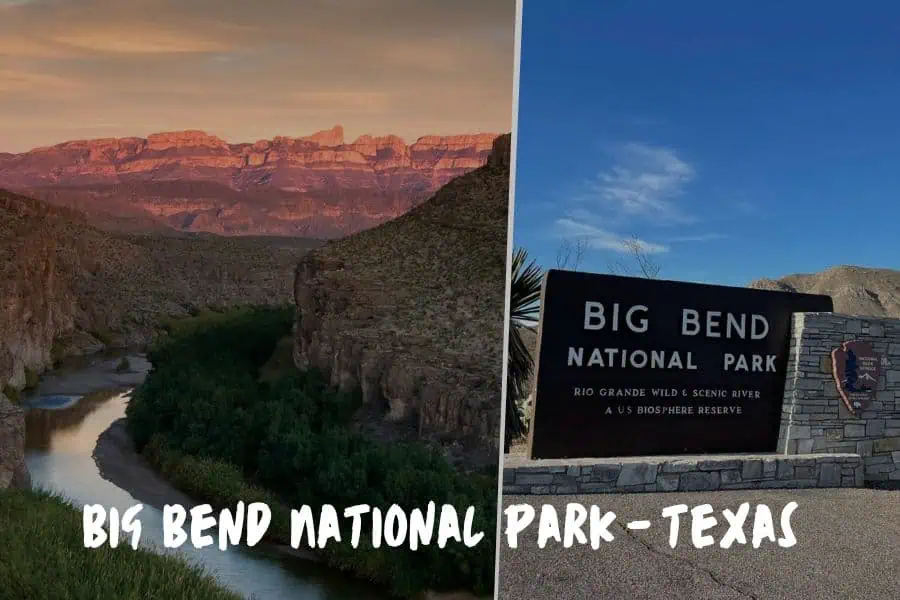
My favorite U.S. desert national park to visit during the cooler months is Big Bend National Park in Texas.
While summer temperatures can be extreme, the fall and winter months transform the park into an accessible, breathtaking destination where the desert truly comes alive.
What makes Big Bend special that time of year is the perfect balance of climate and scenery.
Daytime temperatures are mild enough for long hikes through its 150+ miles of trails, while crisp evenings offer some of the clearest skies in North America for stargazing.
The park's designation as an International Dark Sky Park means that in winter, the Milky Way is visible in stunning detail — an experience that feels almost otherworldly.
Another reason I recommend Big Bend in cooler months is the diversity of its landscapes.
Few parks combine three distinct ecosystems — river canyons, desert basins, and mountain ranges — within one boundary.
In winter, you can hike the South Rim Trail for sweeping mountain views in the morning, explore the Chisos Basin by afternoon, and end the day watching the Rio Grande wind through Santa Elena Canyon.
Visiting during this season also means fewer crowds, which allows for a more reflective and personal connection with the land.
For me, Big Bend in the cooler months embodies the best of desert exploration: comfort, solitude, and awe-inspiring natural beauty.
Amir Husen, Content Writer, SEO Specialist & Associate, ICS Legal
Saguaro National Park Shines in Winter Light
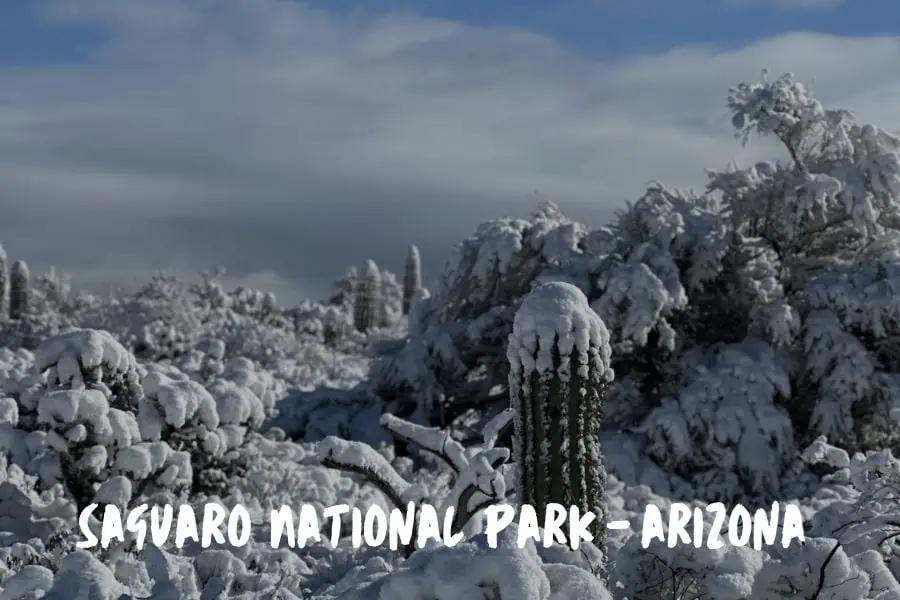
My favorite U.S. desert national park to visit during the cooler months is Saguaro National Park in Arizona.
Winter brings mild temperatures that make hiking through the cactus forests comfortable, and the light is incredible for photography.
The park feels alive that time of year, with clear skies, blooming desert plants, and peaceful trails that are too hot to enjoy in summer.
While covering Arizona, I noticed how many visitors overlook Saguaro in favor of more famous parks. Yet its quiet beauty and the way the sunsets turn the desert gold make it one of the most memorable winter destinations in the Southwest.
Alex Cornici, Founder and Editor-in-Chief, The Traveler
Joshua Tree Awakens With Life and Color
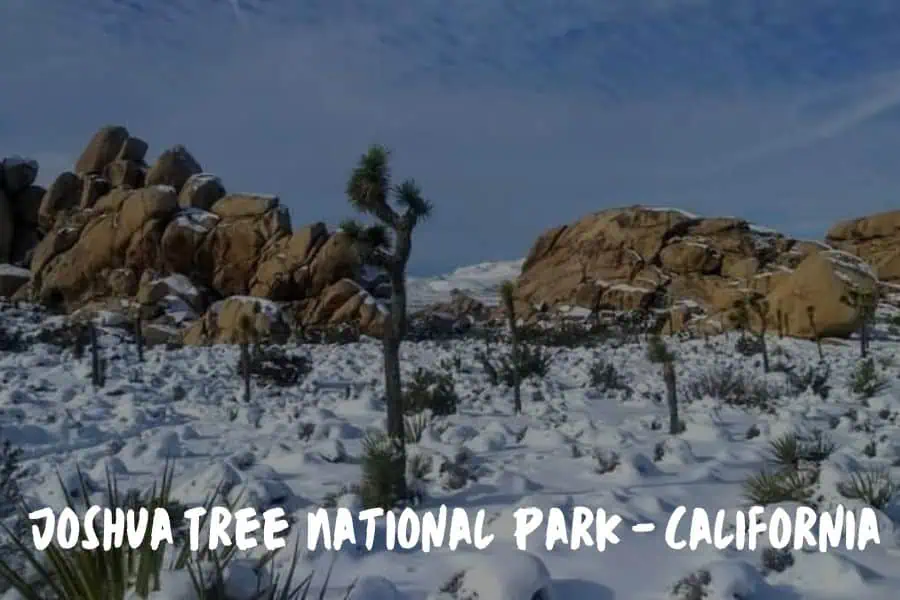
Joshua Tree National Park is one of my favorite parks during the cooler months of the year.
The temperatures are comfortable instead of outrageous, and this allows for pleasant hiking over the rough terrain and exploring the different formations made from rocks that each have their own scroll and design of beauty.
There is something about being in a living but tranquil desert that I relish. I constantly feel like I am escaping the ordinary and mundane year of activity.
It's nice hearing the wind blow through the twisted Joshua trees, climbing over the rock formations and not getting soaked with sweat.
I like the feeling of being in the woods but a hot and comfortable woods. I can lay still and watch the shooting stars, yet experience a quiet and peaceful feeling that I have not felt for several years.
It's in the colder weather months when the park is full of life more so than in any other season of the year.
The air is crisp and clear, and the landscape shows a sharp and clear, almost sculptured appearance.
The colors of the rocks and desert flora are more vivid, while the trails are deserted and emptier, giving a more personal feeling of earnestness in the desert of all the colors and beauty therein.
The animals and creatures big and small are busy everywhere.
The mornings bring with them a peace and quiet not obtainable during the hot months of summer.
The sun itself at the twilight times causes shadows that are long and rectangular in shape, and every ridge and cactus is inflated to be larger and fuller of life than just sticking up in the air and being just another plant.
Bennett Barrier, Chief Executive Officer, DFW Turf Solutions
Grand Canyon Transforms With Winter Snow
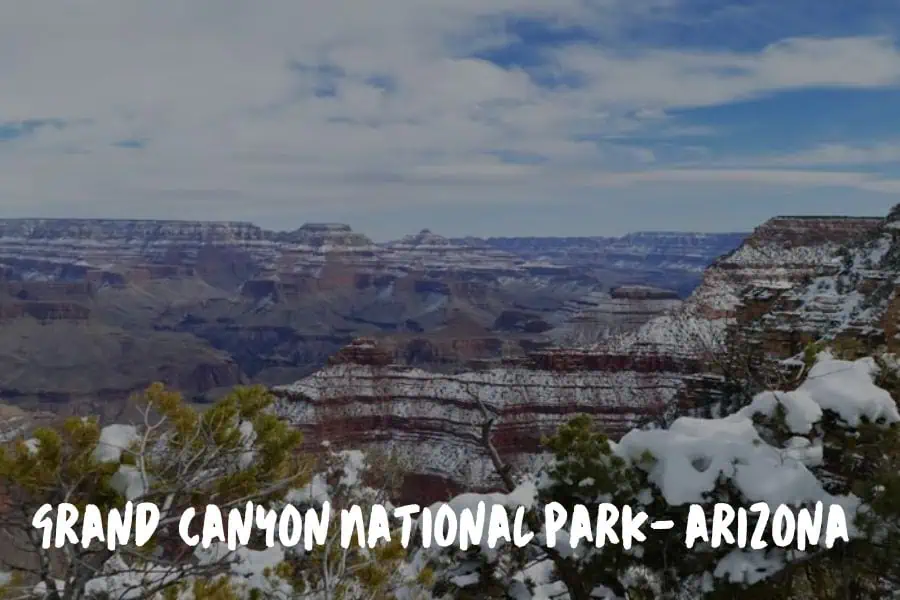
I actually like visiting the Grand Canyon in the cooler months.
Living in Arizona, it's one of the closest national parks I can drive to, so that's one reason why.
Another reason is because the area actually gets quite snowy and becomes completely different from the landscape you picture in your head when you think of the Grand Canyon.
Plus, there are way fewer people there during the winter.
Steve Schwab, CEO, Casago
White Sands Dazzles Under Cool Winter Sun
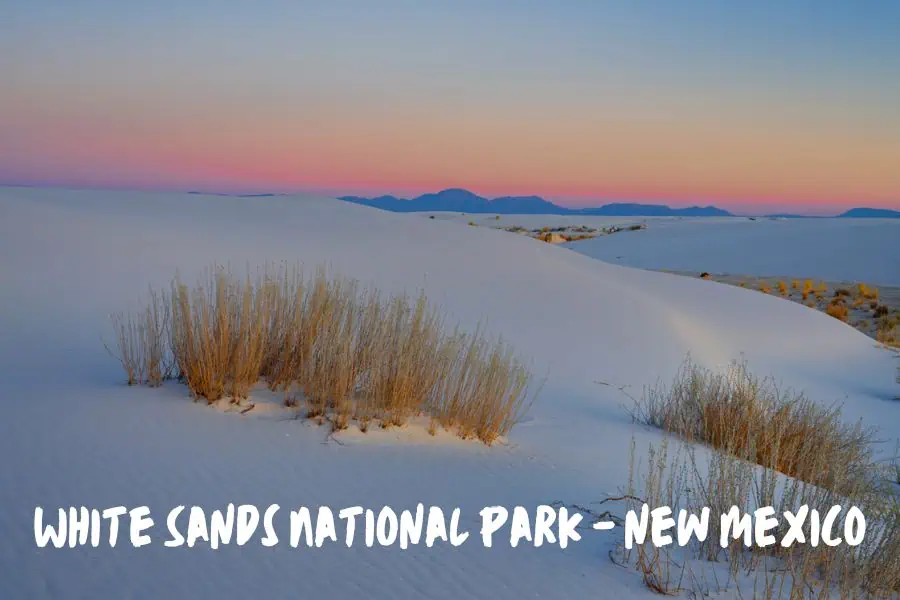
White Sands National Park in the heart of New Mexico is a magical place during the cooler months when snapshot-worthy temperatures grace its gypsum dune field.
The shadows on the pristine white terrain are simply stunning under the winter sun.
During this time of year, visitors can hike and sled on the dunes or even just admire the stark juxtaposition between the brilliant white sand and blue sky without summer's scorching heat.
With its unusual ecosystem and the mystique of another world, this park is a highlight in our national treasures.
Pavel Khaykin, VP of Marketing, NEYA
Winter Parks, Timeless Wonders
From Death Valley's surprise blooms to snow-dusted canyon rims, the off-season reveals sides of America's parks most visitors never see.
Cooler air, open trails, and fewer crowds make for experiences that feel more personal — and often, more profound.
Bundle up, head out, and let the quiet season show you why national parks are truly year-round wonders.