

Every so often, nature reminds us just how small we are.
From pink saltwater lakes in Utah to glowing lava lakes in Hawaii, the planet is filled with moments that stop you in your tracks and leave you quietly stunned.
These aren't your typical postcard spots — they're the kind of places that change how you see the world.
We asked seasoned travelers and outdoor experts to share the wildest, most awe-inspiring natural wonders they've ever witnessed — and what makes each one unforgettable.
Their stories span deserts, glaciers, volcanoes, and beyond, proving that Earth still holds endless surprises for those willing to explore.
Paddleboard Pink Waters of Great Salt Lake
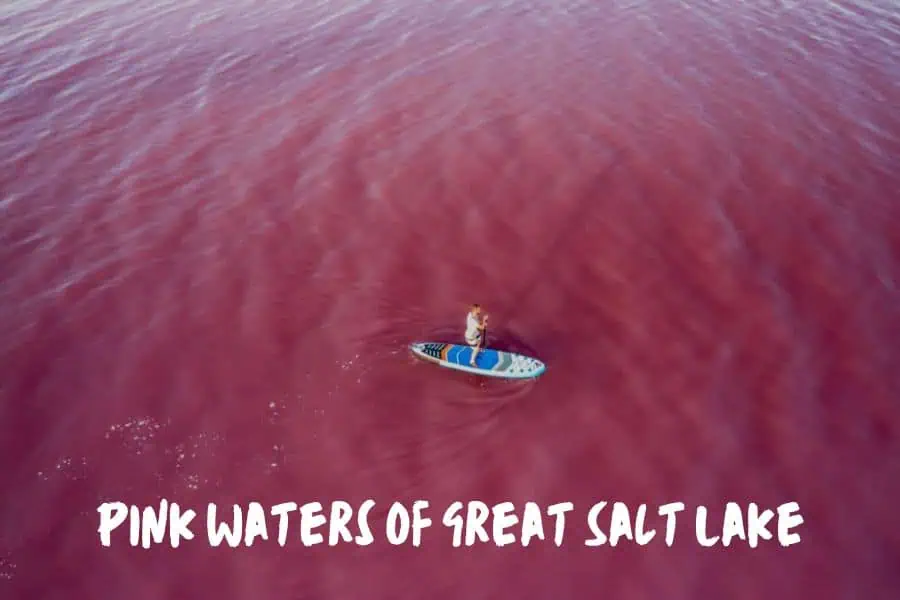
I visited the Great Salt Lake in Utah and had no idea until I arrived that much of the lake is pink due to a chemical reaction with the salt!
It was such an interesting surprise and a really fascinating experience paddleboarding on pink water.
We had a rental car from Ogden, but found that much of the road to reach the area was rocky and uneven terrain, so I would highly recommend taking a car with off-roading capabilities.
Make sure you have a spare tire, just in case.
Also see: 11 Jaw-Dropping Utah Destinations That Feel Like Another Planet
Michelle O'Donnell, Travel writer, BritAdventures.com
Experience Niagara Falls' Thunderous Power
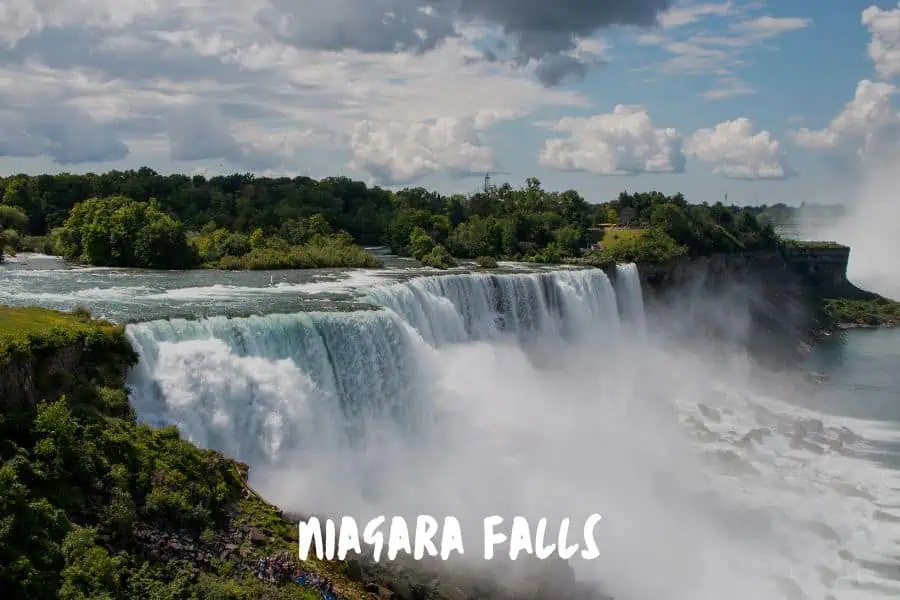
Niagara Falls absolutely amazed me.
You can hear the roar, feel the spray on your skin, and sense the immense power of the water crashing down.
Get soaked on the Maid of the Mist, then walk through the Cave of the Winds.
Standing with water crashing mere feet away from you is on another level.
The falls illuminated at night with vibrant colors is a whole different experience.
Make sure to wear waterproof clothes and comfortable footwear that you don't mind getting drenched.
Echo Wang, CEO and Co-Founder, Cool Travel Vibes
Discover Death Valley's Hidden Wildlife Diversity
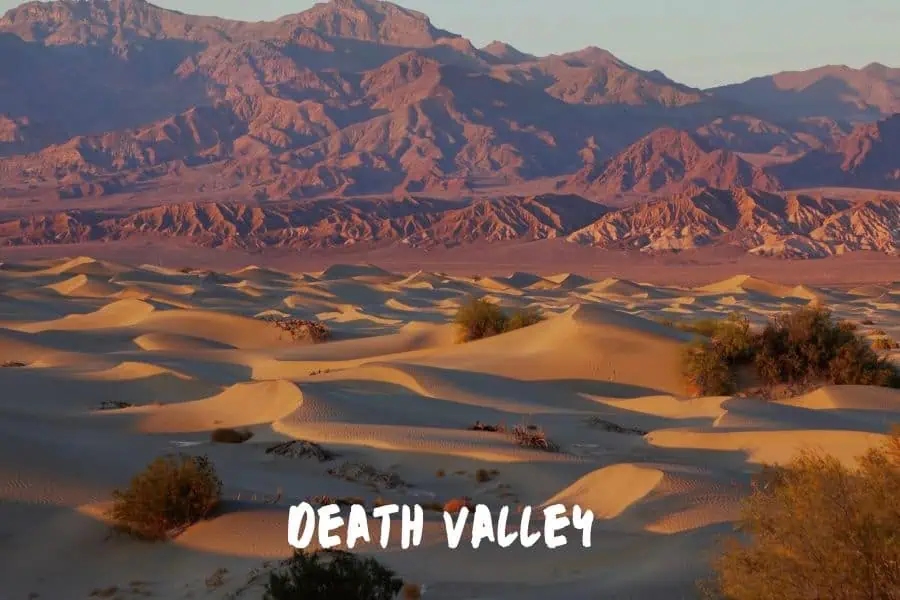
Death Valley absolutely floored me — specifically camping at the edge of the Grand Canyon where temperatures hit over 100°F during the day but stayed perfectly comfortable inside our Flatbed Hawk camper.
What made it wild wasn't just the extreme desert landscape, but how this seemingly barren place actually teems with incredible wildlife when you know where to look.
I learned this when we partnered with ecologist Chris Morgan (aka "The Bear Guy" from PBS Nature) for a wildlife documentary in Death Valley.
Most people see an empty desert, but Chris showed us how this harsh environment supports an amazing diversity of species adapted to extreme conditions.
The contrast between the perceived desolation and actual biodiversity was mind-blowing.
My biggest tip: bring way more water than you think you need and plan your activities for early morning or evening.
We learned that lesson camping at 115°F — the desert breeze and our camper's ventilation saved us during midday heat.
Also, talk to park rangers about wildlife viewing spots; they know exactly when and where to see the animals most visitors never encounter.
The key is going with someone knowledgeable or doing serious research beforehand.
Death Valley isn't just about the landscape — it's about understanding how life thrives in one of Earth's most extreme environments.
Eric Hyde, Marketing Manager, Four Wheel Campers
Witness Glacier Bay's Majestic Ice Spectacle
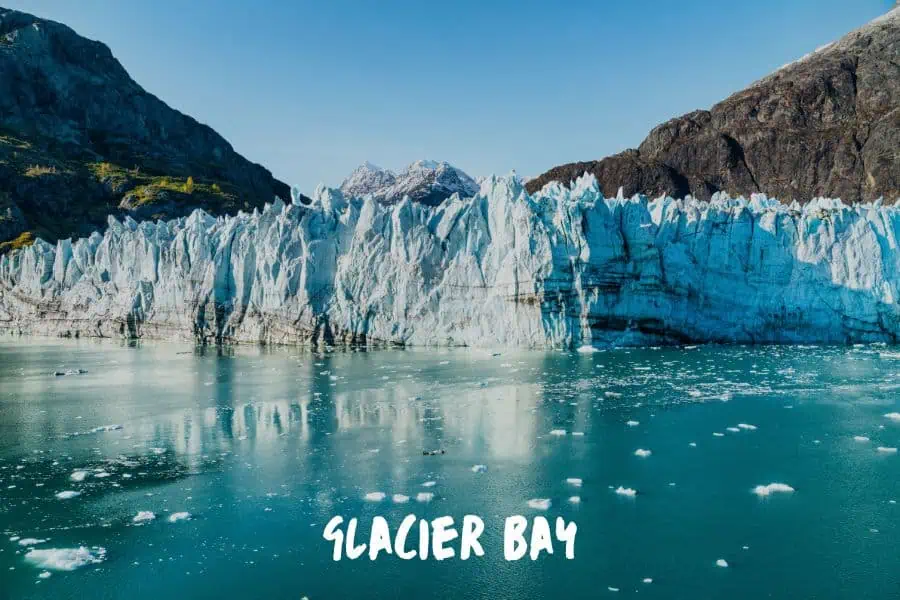
After 2+ years as a digital nomad traveling to 20+ states, Glacier Bay in Alaska completely redefined what I thought nature could do.
This UNESCO World Heritage site has 16 tidewater glaciers actively calving house-sized chunks of ice into the ocean — I watched a glacier face collapse that was taller than a 20-story building.
What made it unforgettable was hearing the ice crack and roar before massive chunks thundered into the water, sending waves that rocked our cruise ship.
We spotted humpback whales, sea otters, and brown bears all in one afternoon while surrounded by mountains that rise 15,000 feet straight from the sea.
The internet situation shocked me most — I upgraded to the cruise's premium Wi-Fi package and could actually livestream to my therapy groups and take client calls via telehealth.
This changed everything about working while experiencing remote wilderness.
Pack serious rain gear even if the forecast looks clear.
Ketchikan measures rainfall in feet, not inches, but we got lucky with only 20 minutes of rain in 8 days (apparently unheard of).
Book early summer for the best weather window and don't skip the balcony room — waking up to glaciers and wildlife beats any hotel view.
Kym Tolson, Therapist Coach, The Traveling Therapist
Conquer Steens Mountain's Extreme Weather
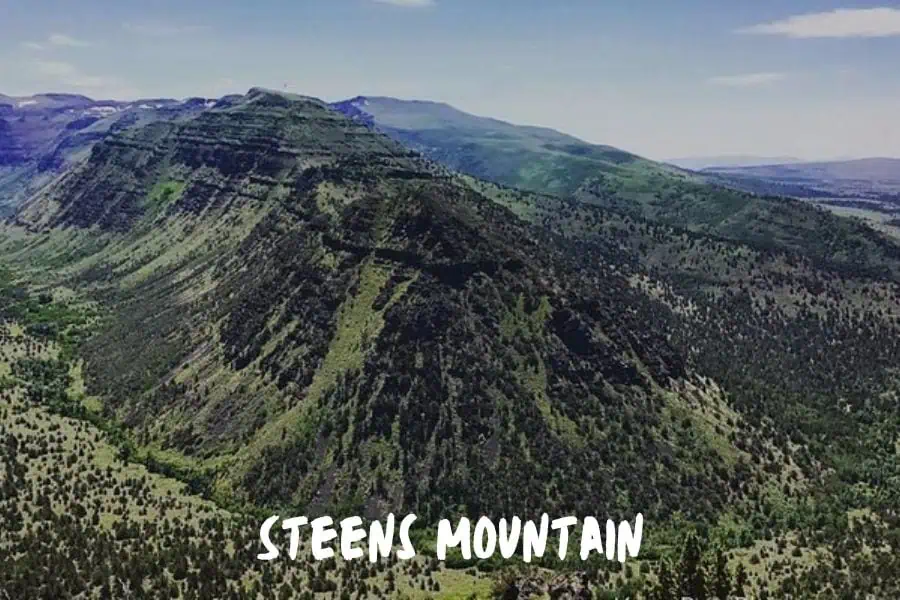
Through years of producing large-scale glamping events nationwide, I've camped everywhere from the volcanic landscapes of Oregon's Cascade Range to the otherworldly slot canyons of Utah.
But Steens Mountain in Oregon absolutely floored me — it's this massive fault-block mountain that rises 9,700 feet straight up from the desert floor, creating the largest unfenced wilderness in America.
What made it unforgettable was setting up our Pro Series tents there for a corporate retreat and experiencing those temperature swings firsthand.
We're talking 90°F days dropping to near-freezing nights, which is exactly why we developed our double-wall system with the 24″ roll-up sidewalls.
The aspen groves changing color against that stark desert backdrop looked like nature's own glamping resort.
My biggest tip: bring serious stakes and guy-line systems because those high-elevation winds are no joke.
We learned this the hard way during our first setup there and now exclusively use rebar stakes for anything above 5,000 feet.
The Steens Mountain Loop Road is only open July through October, so plan accordingly.
Pack layers like your comfort depends on it — because it does.
That 60-degree temperature swing will humble you fast, and there's zero cell service once you're up there, so preparation isn't optional.
Caitlyn Stout, Owner, Stout Tent
Explore Otherworldly Depths of Carlsbad Caverns
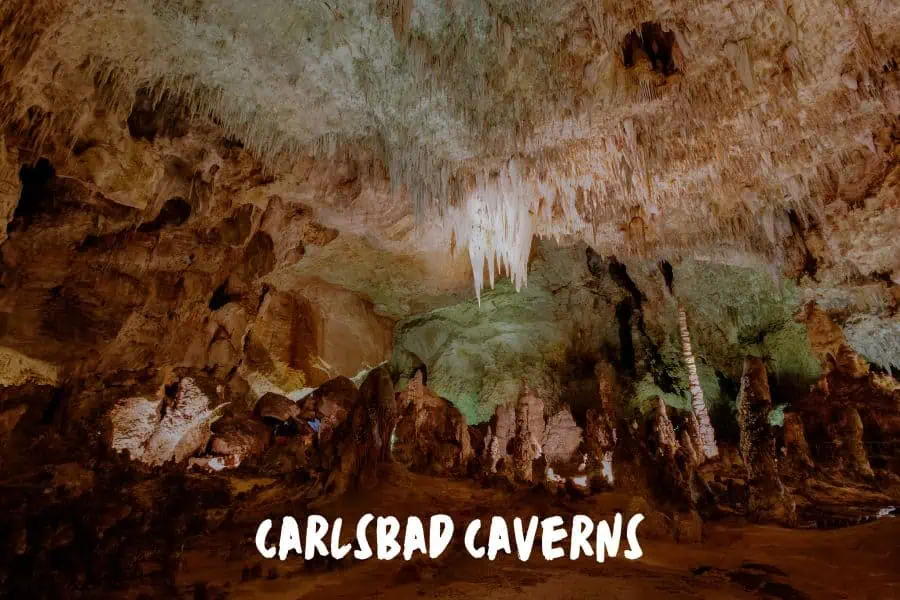
For me, it was Carlsbad Caverns in New Mexico.
It isn't the usual volcano or glacier people name, but it felt otherworldly.
Standing hundreds of feet underground, surrounded by formations that looked like they belonged on another planet, was unlike anything else I've experienced in the U.S.
The part that sticks with me is the silence.
You don't realize how loud everyday life is until you're in a place where the only sound is water dripping from stone.
Tip: Skip the elevator down and walk the mile-long natural entrance.
The slow descent shifts your mindset, and by the time you reach the main cavern, you feel like you've actually traveled to another world instead of just showing up in one.
Austin Benton, Marketing Consultant, Gotham Artists
Climb Surreal Dunes in Colorado
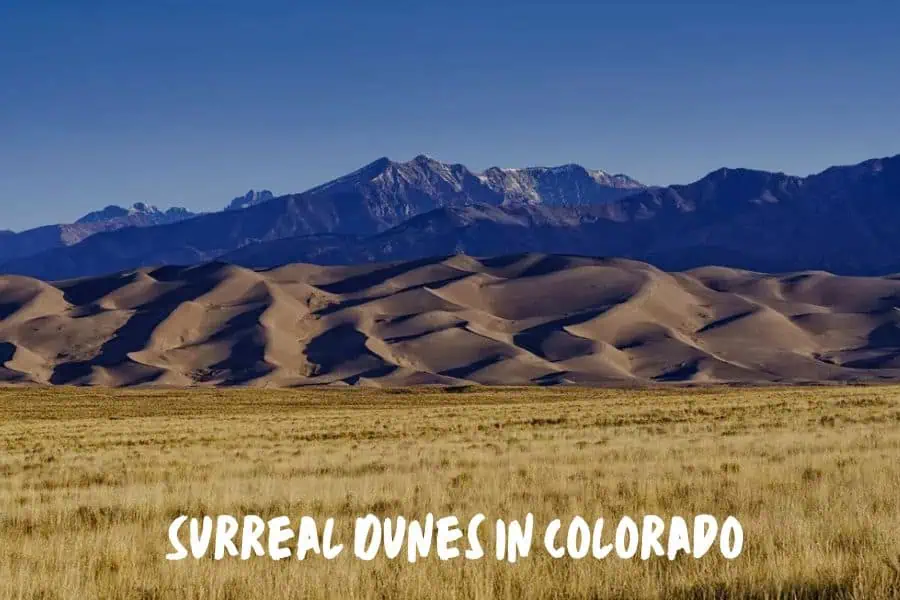
The Great Sand Dunes in Colorado is one of the most surreal places in the country I have ever visited.
The sand rises to over 700 feet and is the tallest dune in North America, situated alongside the Sangre de Cristo Mountains.
Walking in the sand feels like being in the desert, but a short distance away lies an alpine forest and even peaks covered in snow.
The contrast is so extreme that it feels like a movie set.
The wind reshapes the dunes constantly, thus no climb or view is ever really the same, and at the top, you're presented with sweeping views of what feels like an endless landscape.
For anyone planning a visit, timing is a huge factor.
In the summer months, the sand can be 150 degrees, so plan to arrive early in the morning or later in the evening.
Bring plenty of water because climbing the dunes is not as easy as it appears, and if you want the most memorable experience, stick around until late and watch the stars.
There is almost no light pollution and the stars are breathtaking.
Paul DeMott, Chief Technology Officer, Helium SEO
Witness Earth's Power at Kilauea
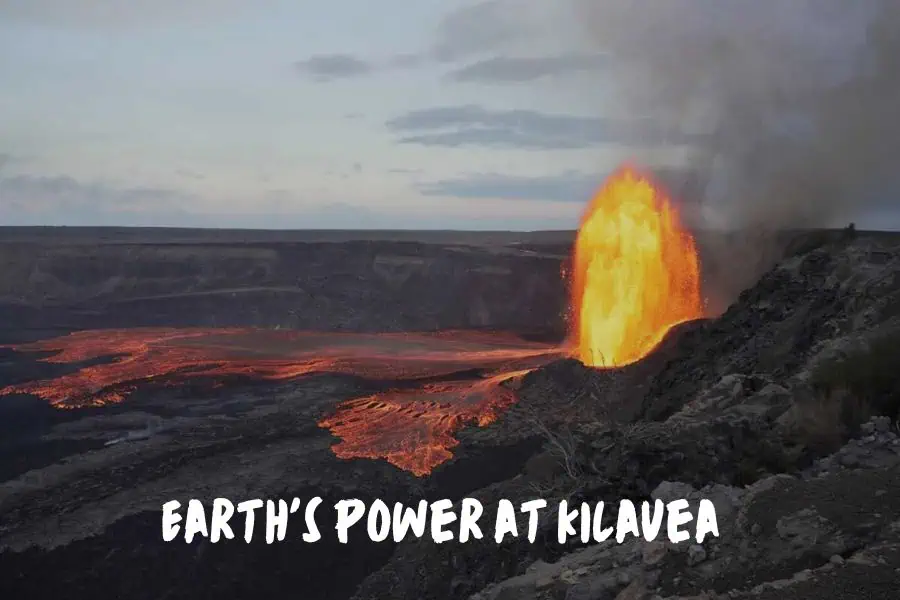
The wildest natural wonder I have ever been to is Kilauea in Hawaii, especially looking at the lava lake in the Halema'uma'u crater at night.
It was memorable because I was standing in the darkness, feeling the heat on my face, staring at the glow of the raw, molten earth in the dark sky.
I felt like I was looking down on the incandescent power plant of our planet.
The energy and primal power were just astonishing, and I have never had any experience that compares.
If someone is ever planning on going there, I would recommend scouting out the park website for the most current information on volcanic activity so you can check before your visit, as access can change so quickly with the activity.
A jacket is likely a good idea too, as it can be windy and cool at the summit in the evening, even though it is a volcano.
Alex Smith, Manager & Co-owner, Render 3D Quick
Immerse in Everglades' Interconnected Ecosystem
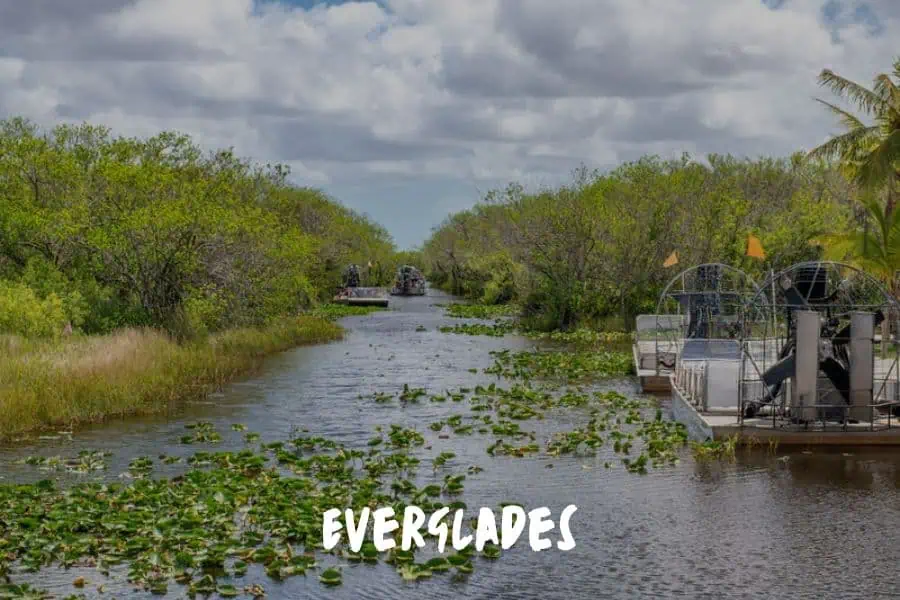
I found the Everglades in Florida to be a very unique place, unlike anything I had visited in the United States.
It was truly an experience with nature as we saw a river with living things that seemed to extend across the horizon.
I remember watching the sun rise and hundreds of birds in the sky, while at the same time, alligators moved quietly through the water below!
The combination of stillness and sudden movement made it unforgettable.
It was like being in a world where the animals, plants, and water are all connected in a way you don't see almost anywhere else.
Anyone considering a visit should be aware that timing is key.
From November to April, the water is lower, the air is cooler, and animals are easier to spot.
During the wet months, the place is greener but not as easily explored.
Always bring insect repellent, wear light long sleeves, and go on an airboat or kayak ride to the quieter corners to see the beauty the Everglades has to offer.
Miguel Angel Gongora Meza, Founder & Director, Evolution Treks Peru
Navigate Antelope Canyon's Colorful Passages
I have been to many natural wonders in the United States, but what I consider the wildest is Antelope Canyon in Arizona.
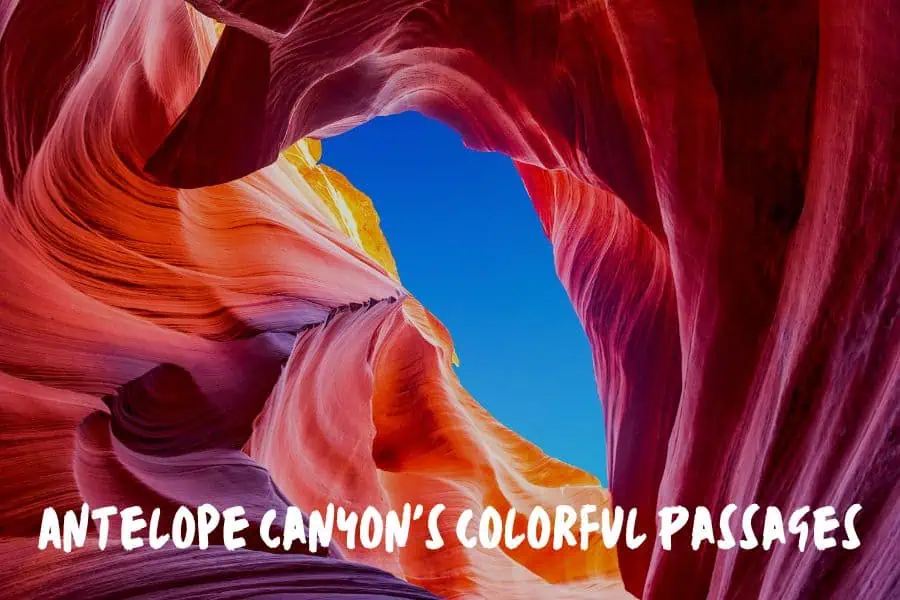
It was memorable as the passage is very narrow, at times just 1.5 meters wide, and the walls are more than 30 meters high.
The stone walls twist and bend around you, which have been shaped by floods, and the colors change as you pass.
In some areas, the rock appears brilliant orange, and in others it changes to purple depending on how the sunlight hits it.
It is as if you are walking inside a tunnel made of light and color.
My advice, if you ever decide to go there, would be to book a midday tour well in advance because access to the canyon is only allowed with a guide and the slots fill up quickly.
Midday is when the sunbeams come down through openings in the rock above, creating bright columns of light that only last for a very short time.
The tours cost around $100, but for 90 minutes, it is worth it to see the canyon at its most dramatic time.
Steve Nixon, Founder, Free Jazz Lessons
Taste Volcanic Wines on Mount Etna
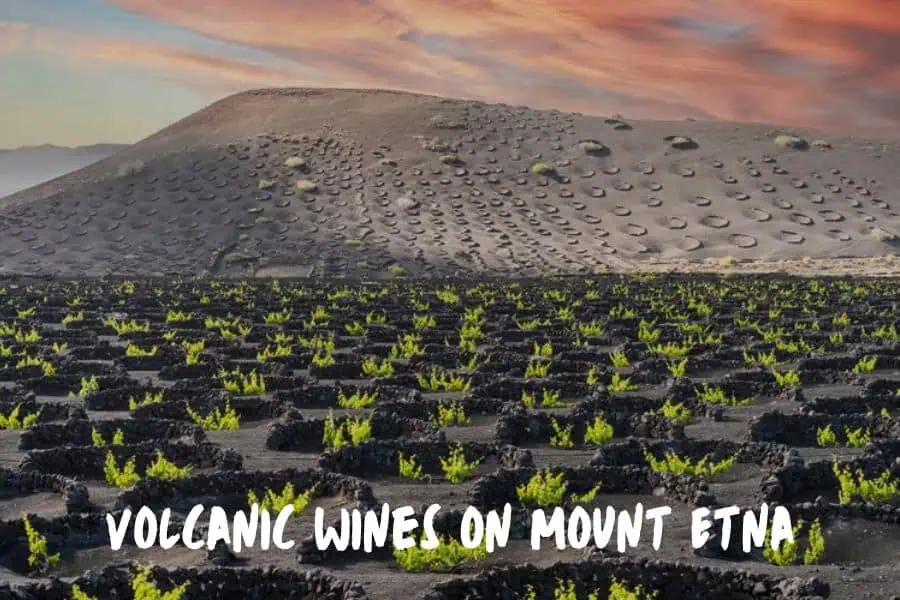
After a decade of traveling to vineyards worldwide, Mount Etna in Sicily remains the most surreal natural wonder I've experienced in my travels.
Hiking through active volcanic vineyards where vines grow directly in black lava rock while sulfur steam vents hiss nearby felt like walking on Mars with a wine glass.
What made it unforgettable was tasting wines with local vintners who explained how the mineral-rich volcanic soil creates completely unique flavors you can't replicate anywhere else.
The contrast was incredible — sipping neat Nerello Mascalese while watching steam rise from fissures in the ground just meters away.
My biggest tip: hire a local guide who knows the current volcanic activity levels and can access the best vineyard viewpoints safely.
The terrain changes constantly from lava flows, so GPS won't help you.
Visit during spring or fall when the weather is stable but the volcanic activity is still visible.
Book winery visits in advance because many of the mountain producers are small family operations that close during eruption periods.
The drive up is intense with switchback roads, so rent a small car and leave early in the morning when visibility is clearest through the volcanic haze.
Closing
From the roaring heart of Niagara Falls to the silent depths of Carlsbad Caverns, these places are proof that Earth's beauty is both fierce and fragile.
Whether you chase these wonders yourself or simply dream about them, each one reminds us that adventure doesn't always mean adrenaline — sometimes, it's standing still, looking around, and realizing how lucky we are to be here at all.
So pack your curiosity (and maybe a rain jacket), and go find your next unforgettable view.