
Winterial Single Person Personal Bivy Tent
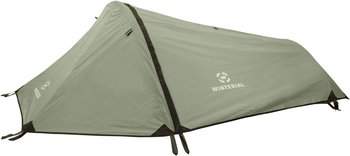
Our Take
The Winterial Single Person Personal Bivy Tent punches above its weight class for budget-conscious solo hikers who need a reliable three-season option without breaking the bank.
Setup is dead simple with the two-pole design, and you get surprisingly generous floor space for a bivy at 17.5 square feet.
The catch: it runs heavier than ultralight competitors at 2 lbs 9 oz, and expect some dripping when you unzip the door in wet conditions.
For around $80, it's a solid entry point into backpacking, just don't expect it to handle serious storms.
Ask our AI for instant answers from our reviews and specs — comparisons, sizing, and who it's best for.
How We Rated It
Pros & Cons
PROS
- ✓Fast two-pole assembly
- ✓Durable aluminum poles
- ✓14 heavy-duty stakes
CONS
- ✕Drips when opening
- ✕Heavy for backpackers
How It Compares
| Tent | Score | Est. Price | Weight | Sleeps | Seasons | Floor Area | Vestibule | Doors | |
|---|---|---|---|---|---|---|---|---|---|
Winterial Winterial Single Person Personal Bivy Tent This tent | ★ 7.8 | $80 | 2 lbs 9 oz | 1 people | 3-season | 18 sq ft | — | 1 | ✓ Current |
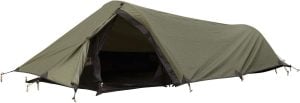 Snugpak Snugpak Ionosphere Bivy Tent | ★ 7.9 | $299 | 3.9 lbs | 1 people | 4-season | 23 sq ft | 0 sq ft | 1 | vs → |
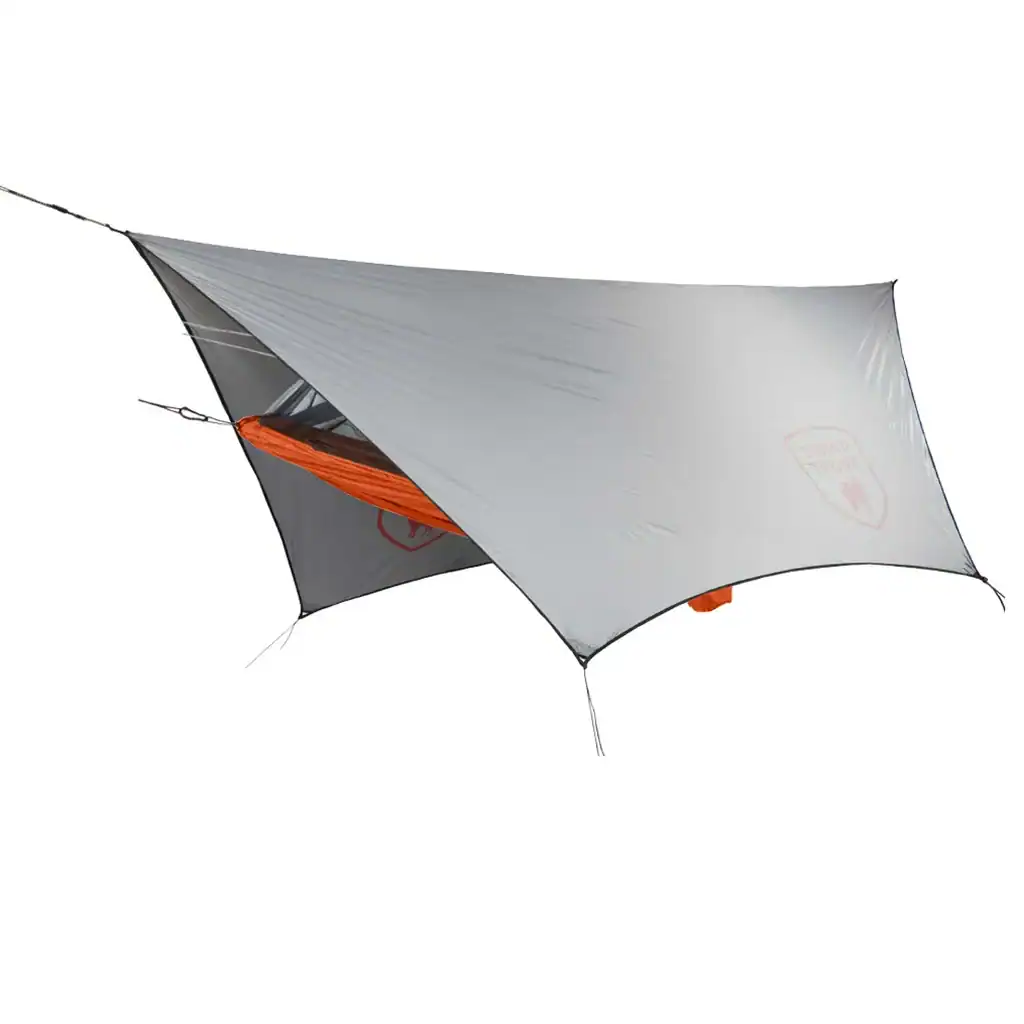 Grand Trunk Grand Trunk Air Bivy All-Weather Hammock | ★ 7.9 | $200 | 3.3 lbs | 1 people | 3-season | 26 sq ft | 0 sq ft | 1 | vs → |
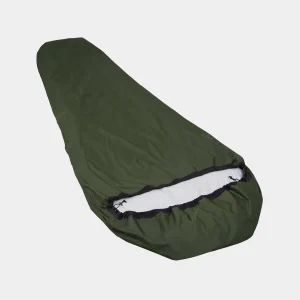 Alpkit Alpkit Hunka | ★ 7.5 | $95 | .88 lbs | 1 people | 3-season | — | 0 sq ft | 1 | vs → |
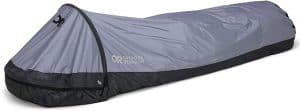 Outdoor Research Outdoor Research Helium Bivy | ★ 7.4 | $225 | 15.8 oz | 1 people | 3-season | 14 sq ft | 0 sq ft | 1 | vs → |
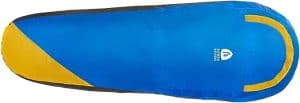 Sierra Designs Sierra Designs Backcountry Bivy | ★ 7.4 | $170 | 0.9 lbs | 1 people | 4-season | 17 sq ft | — | 1 | vs → |
What We Think
At around $80, the Winterial Single Person Bivy Tent is one of the cheapest ways to get a legitimate shelter on your back for solo backpacking trips.
It scored a 7.8 overall, earning high marks for livability and ease of use while accepting real compromises on weather protection and features.
This is a bivy for budget-conscious hikers who want something more protective than a tarp but aren't ready to invest in premium ultralight gear.
Space & Comfort
The 17.5 square feet of floor area and 38-inch peak height are genuinely generous for a bivy, giving you enough room to sit up and manage gear without that coffin-like claustrophobia cheaper bivys often deliver.
Owners consistently praise having space to move around, which matters when you're spending a full night inside.
This dimension scored a 9.0, which is exceptional for the category.
Ease of Use
The fast two-pole assembly is a recurring theme in owner feedback, with most reporting the five-minute setup time is accurate even on a first attempt.
The aluminum poles are durable and intuitive to work with, and the 14 heavy-duty stakes included are a genuine bonus, not the flimsy wire stakes that come with most budget tents.
If you're building your first overnight backpacking checklist, not having to immediately buy better stakes is a real savings.
Ease of Use scored a 9.0.
Quality & Durability
The aluminum pole construction is a step above the fiberglass you often find at this price point, and owners report the poles hold up well over multiple trips.
The Tyvek floor is an interesting choice, offering decent puncture resistance, though it's a rectangular cutout rather than a shaped, seam-taped floor.
Quality & Durability earned an 8.0.
Weather Resistance
Here's the honest weakness: weather protection is the Winterial's clear limitation.
A recurring theme in negative reviews is that the bivy drips when you open it, meaning condensation or rain collected on the fly dumps inside when you unzip.
This is a design issue, not a defect, and it's something you'll need to manage with technique.
For comparison, the Snugpak Ionosphere at around $299 offers significantly better storm protection with a 5,000mm hydrostatic head rating, but you're paying nearly four times the price.
Weather Resistance scored a 6.0, which is fair for a shelter at this price point but worth understanding before you commit.
Value for Money
The value proposition is straightforward: you get a functional, reasonably spacious bivy with quality poles and stakes for around $80.
The Alpkit Hunka costs slightly more at around $95 and weighs dramatically less at under a pound, but it's a minimalist shell without the Winterial's structure or livability.
Value for Money scored an 8.0.
User Reviews
Owner feedback runs positive overall, with the most common praise focusing on the fast setup and included stakes.
The negative pattern worth noting: some backpackers flag the 2 lb 9 oz weight as heavy for the category, which is fair, though it's a tradeoff for the extra interior space.
User Reviews scored an 8.8.
Who It's For
This bivy fits the budget-conscious solo hiker who wants more protection than a camping tarp without spending $200 or more on premium ultralight gear.
It's ideal for fair-weather three-season trips where you're not expecting sustained rain.
If you prioritize weight savings above all else, look elsewhere, but if you want livable space and easy setup at a price that won't hurt, the Winterial delivers.
The Bottom Line
The Winterial Single Person Bivy Tent scored a 7.8 and earns it by offering genuinely comfortable solo shelter at an entry-level price.
The weather protection has real limits, and you'll need to manage that drip-when-opening issue, but for dry-forecast backpacking trips, it's a capable and honest budget option.
At around $80 with quality stakes included, it's hard to find a better entry point into bivy camping.
Full Specifications
| Tent Type | Bivy, Backpacking |
|---|---|
| Seasons | 3-season |
| Sleeps | 1 people |
| Weight | 2 lbs 9 oz |
| Min Trail Weight | 2 lbs 9 oz |
| Floor Area | 17.5 sq ft |
| Peak Height | 3' 2" |
| Floor Dimensions | 90 x 28 in |
| Doors | 1 |
| Packed Size | 4.5 x 18 in |
| Setup Time | 5 mins |
| Pole Material | aluminum |
| Poles | 2 |
| Floor Fabric | rectangular cutout of tyvek |
| Made In | Imported |
| Warranty | None |
| Additional Notes | 14 heavy duty stakes that will not bend so the tough ground you may be sleeping on will be no problem. |
| Price | $80 |
Frequently Asked Questions
Who is the Winterial Single Person Personal Bivy Tent best for?
How long does the Winterial Personal Bivy take to set up?
How does the Winterial Personal Bivy handle rain and wind?
Is the Winterial Personal Bivy worth $80?
How much does the Winterial Personal Bivy weigh for backpacking?
How does the Winterial Personal Bivy compare to the Snugpak Ionosphere?
How does the Winterial Personal Bivy compare to the Alpkit Hunka?
What do other owners say about the Winterial Personal Bivy?
Is there enough room inside the Winterial Personal Bivy?
Similar Tents You Might Like
Find Your Perfect Tent — In Minutes, Not Hours.
Ask our AI or take the 5-question quiz.
Find My Tent →