

Some hikes are just "nice."
Others stick with you for years.
Not because they were the hardest.
But because something happened out there — the weather turned, plans changed, your legs cooked, your mind got quiet, or the landscape hit you in the chest.
So instead of generic advice, this guide collects 21 real lessons from hikers and outdoor pros.
Each one comes from a specific trail and a specific moment — because that's where the best tips actually come from.
Crypt Lake (Waterton Lakes National Park, Canada)
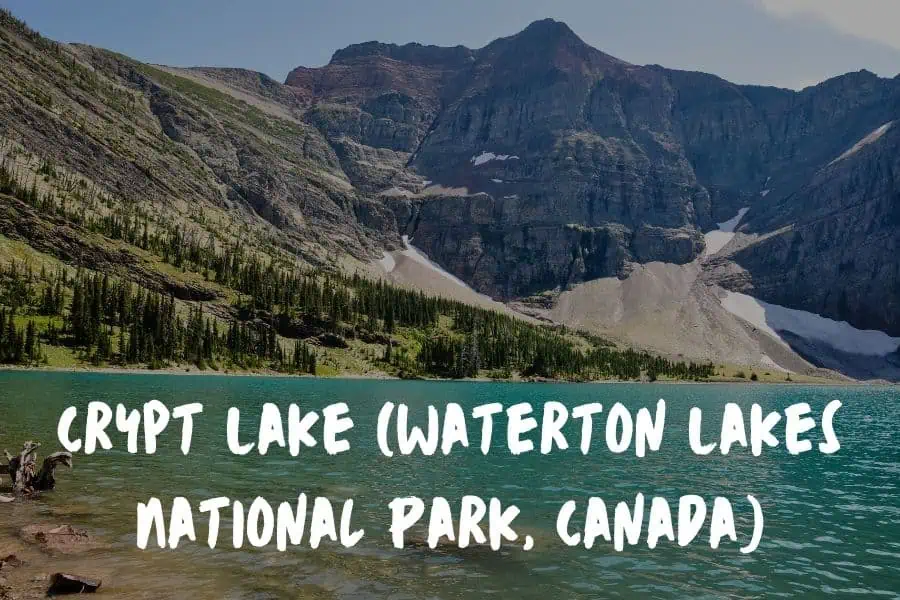
My single favorite hiking experience was Crypt Lake in Waterton Lakes National Park, Canada.
It's unforgettable because the journey itself feels like part of the adventure — starting with a boat ride across the lake, passing through a carved rock tunnel, and ending at a stunning alpine lake surrounded by towering cliffs.
One key piece of advice: book the boat in advance.
It's the only way to access the trail, and missing that reservation means missing the hike entirely.
Laurel Robbins, Founder, Monkeys and Mountains Hiking Tours
Old Rag Mountain (Shenandoah, Virginia)
I'm not a hardcore hiker–I'm a fitness director in Alexandria who spends most days designing workouts and coaching clients indoors.
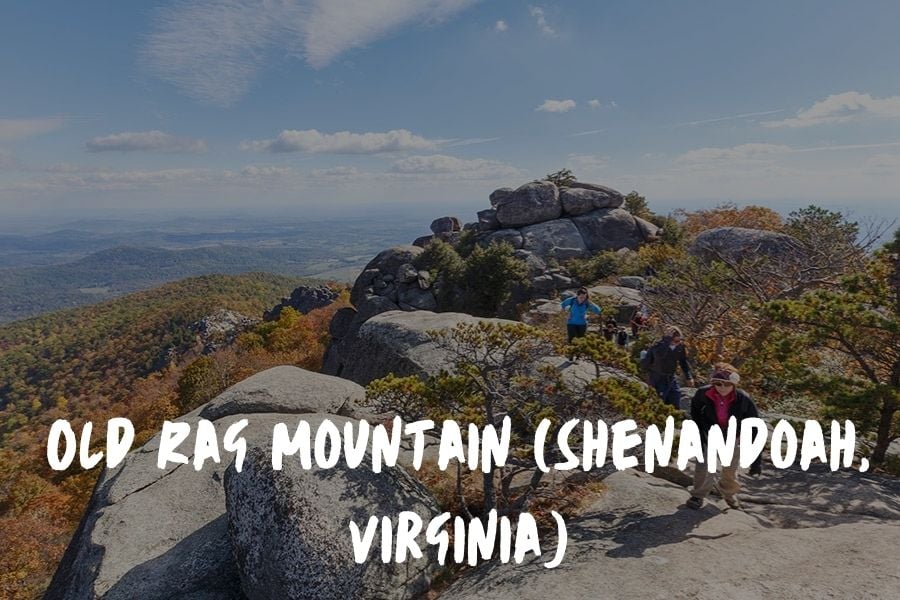
But I did a sunrise hike at Old Rag Mountain in Virginia's Shenandoah about two years ago, and what made it stick with me was how humbling the rock scramble section was compared to gym training.
I've been strength training for 14 years and teach BodyPump classes regularly, so I figured my legs and core strength would carry me through easily.
The technical scrambling required completely different movement patterns–balance, grip strength, and problem-solving that no amount of squats prepared me for.
It taught me that functional fitness means training for unpredictable real-world demands, which changed how I program workouts for clients now.
My advice: do grip-specific training before any scramble hike.
Farmer's carries with heavy dumbbells, dead hangs from a pull-up bar, and forearm planks with weight shifts.
I wasn't prepared for how much my hands and forearms fatigued during that climb, and it became the limiting factor way before my legs gave out.
Two weeks of intentional grip work would've made a massive difference.
Jennifer Rapchak, Fitness Director, Results Fitness Gym
Machame Route (Mount Kilimanjaro)
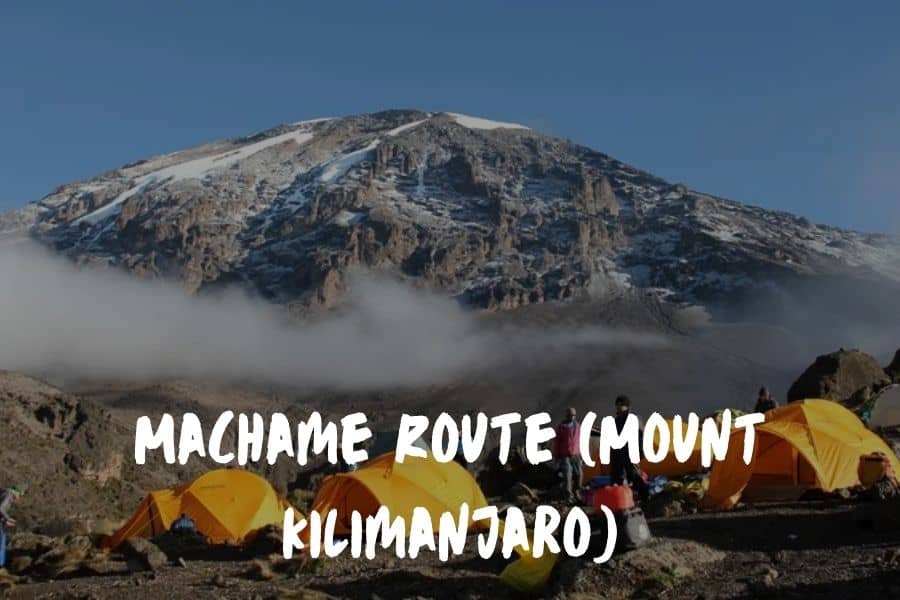
Machame is one of my favorite trails on Mount Kilimanjaro, the tallest mountain in Africa.
What I love about it is that it has well-known landmarks, and that climbers can have the chance to pitch their tents and rest along its length.
That explains why Machame is a popular route on Mount Kilimanjaro despite being the hardest to climb.
After a few hours up the mountain, you can camp and start enjoying the scenic view when it's still clear.
On my first visit, seeing the majestic Lava Tower and Shira Plateau from our tent was an amazing experience, and I can't forget how good I felt that day.
I wanted to spend a day or two there, just to appreciate the beauty of nature.
The next morning, we continued our journey and kept taking shorter breaks until we finally reached the top.
There are so many trails on this mountain, and certainly other places, but Machame is one of the few that impressed me.
I'd never miss passing it if I plan to hike on this mountain again.
Brian Raffio, Senior Travel Coordinator & Specialist, Climbing Kilimanjaro
Manoa Falls (Oahu)
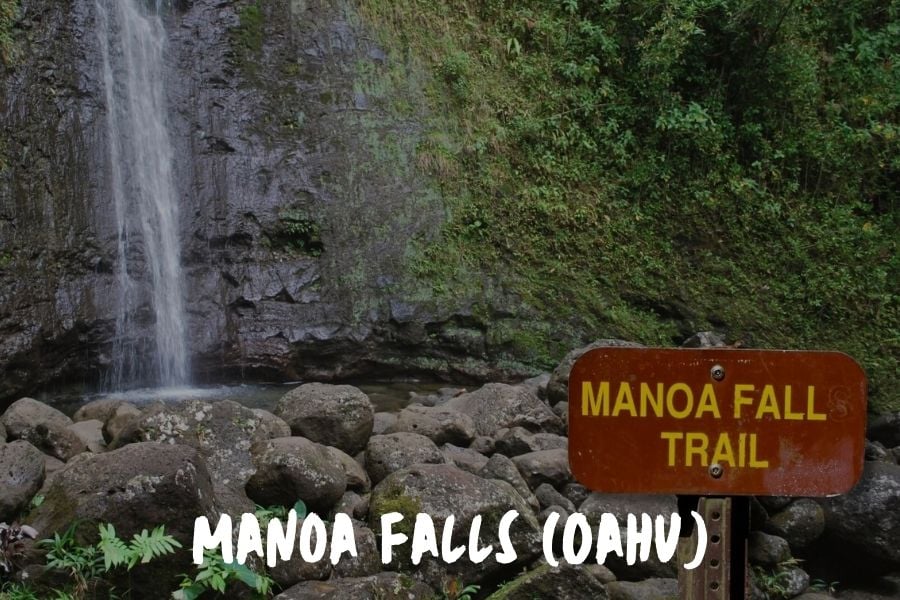
I still remember that hike to Manoa Falls in Oahu.
Mist clung to these giant ferns, making everything feel so green.
A sudden shower trapped us for a bit, but luckily we had lightweight rain gear, so we just stood there watching rain hit the leaves.
The rain there shows up without warning, so pack water-resistant shoes.
Honestly, that's part of the adventure.
Bryan Murphy, Owner, Hawaii's Best Travel
Mount Etna (Sicily)
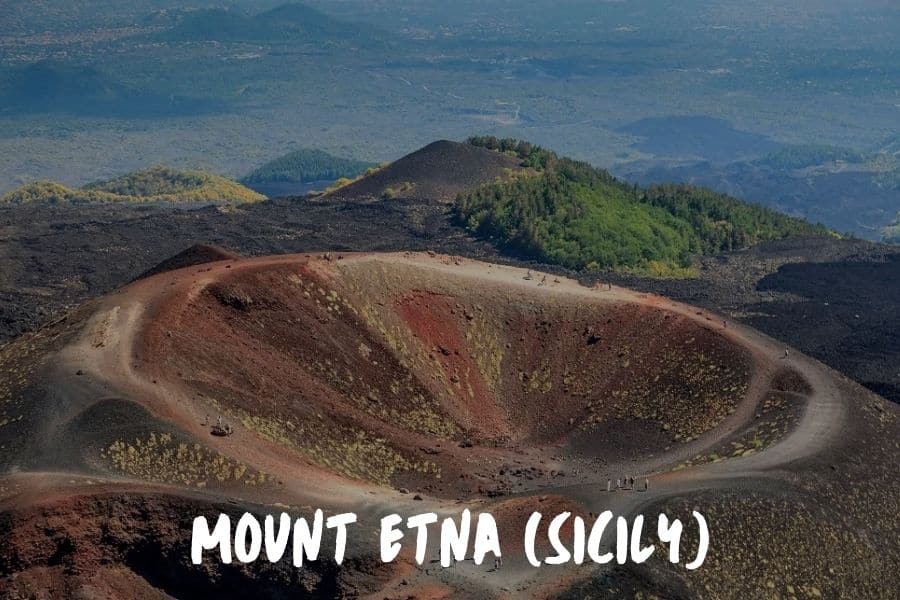
My single favorite hiking experience was trudging through the volcanic vineyards on Sicily's Mount Etna at sunrise, where the black lava soil crunched under my boots and ancient vines twisted out of stone.
What made it unforgettable wasn't just the otherworldly landscape–it was meeting a fourth-generation winemaker who'd walked those same slopes his entire life, explaining how volcanic ash gives Nerello Mascalese its distinct mineral edge while we sipped wine at 3,000 feet elevation.
The hike itself was technical in spots with loose scoria rock, but the real challenge was pacing myself because I kept stopping to photograph terraced vineyards that looked like they defied gravity.
That combination of physical effort, stunning geology, and deep cultural context–understanding *why* people farm in such extreme conditions–turned a tough climb into something I still think about years later.
My one piece of advice: bring way more water than recommended and actual snacks with protein, not just energy bars.
I learned this the hard way on Etna when altitude and exertion hit me harder than expected, and a local guide shared his prosciutto and pecorino–which honestly saved my hike and taught me that proper fuel makes the difference between suffering through and actually experiencing where you are.
Jonas Muthoni, Editor in Chief, MicroGrid Media
Blue Ridge Mountains (North Carolina)
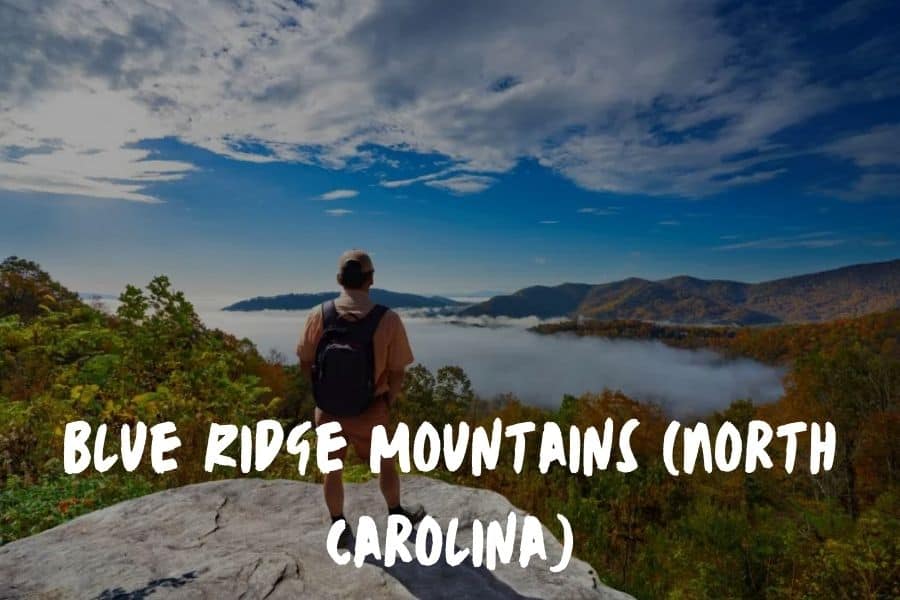
I've been in the fitness industry for 40 years, and while my work keeps me mostly in Satellite Beach, Florida, I've encouraged thousands of members to accept outdoor fitness–including hiking.
My favorite experience was a trail hike in North Carolina's Blue Ridge Mountains about five years back.
What made it unforgettable was the combination of steep elevation changes that genuinely tested my functional fitness, plus the mental clarity that came from being completely unplugged for hours.
The biggest takeaway?
I realized how much my gym training–especially our functional strength work and mobility routines at Fitness CF–directly translated to real-world performance on those switchbacks and rocky descents.
My legs held up, my core stability kept me balanced, and I wasn't wrecked the next day because I'd prioritized recovery habits year-round.
One piece of advice: train specifically for the hike's demands at least 4-6 weeks out.
If it's elevation-heavy, do stair or hill sprints.
If it's long-distance, build your endurance with progressive walks or ruck marches.
Don't just show up hoping your casual gym routine covers it–targeted prep makes the difference between enjoying the experience and just surviving it.
Also, pack light but pack smart.
I used a hydration pack, wore trail shoes with good grip, and brought protein bars to keep my energy steady.
The lighter your load, the more you'll enjoy the views instead of counting down the miles.
Pleasant Lewis, Owner, Fitness CF
Hoh Rainforest (Olympic National Park)
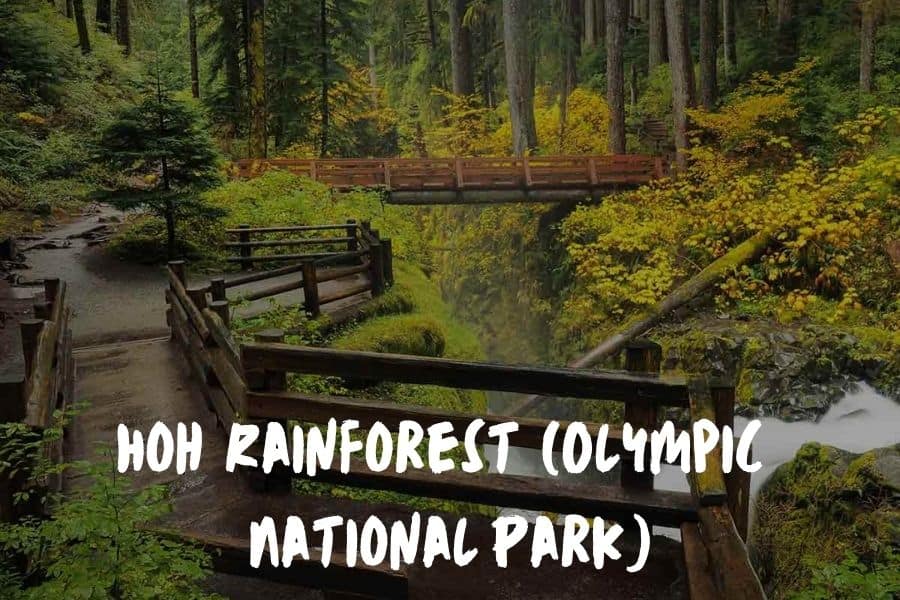
I spent an entire day hiking just two miles in the Hoh Rainforest, and it was better than any marathon mileage day I have ever completed.
Hikers often brag about how many miles they crushed or how fast they reached the peak, treating the outdoors like a gym.
The problem is that when you rush to the destination, you miss the small, intricate details that make the ecosystem work.
You walk right past the wildlife.
I suggest you try "micro-hiking."
On that trip, I stopped to look at every different type of moss and mushroom I saw.
I watched a herd of elk for forty-five minutes because I wasn't worried about making camp by a certain time.
Plan a very short hike, maybe three miles total, but allocate the whole day for it.
Bring a field guide or a magnifying glass and force yourself to move slowly.
You will see more in one mile of slow, intentional walking than in twenty miles of rushing.
It completely shifts your perspective on what a hike should be.
JoAnne Loftus, President and Owner, Archival Designs
Moonlight Hike on a Familiar Trail
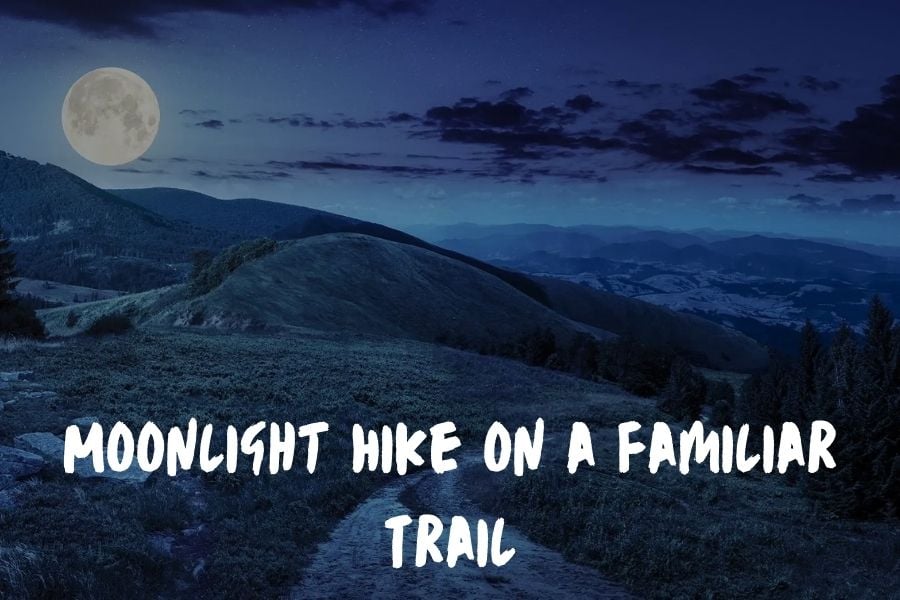
I hiked a local trail at 2:00 AM under a full moon, and it beat every famous national park trip I have ever taken.
Hikers usually obsess over gaining altitude or covering long distances, but they rarely think about changing the time of day they go.
Daytime hiking dulls your senses because you rely entirely on your vision.
You also end up sweating through the heat and dealing with chatter from other groups.
At night, the world changes completely.
I walked a path I knew perfectly, but in the dark, it felt alien.
The moonlight turned the trees into silver skeletons, and the air was cool and crisp.
I heard owls and rustling leaves that the daytime noise usually drowns out.
I turned off my flashlight and let my eyes adjust.
It felt like I was the only person on earth.
My advice is to start with a trail you know well and bring a headlamp with a red light setting.
The red light lets you check your map without ruining your night vision.
Don't think you need a plane ticket to find adventure, as you often just need to change when you go outside.
Philip Stoelman, Founder & CEO, Network Republic
Glencoe (Scotland)
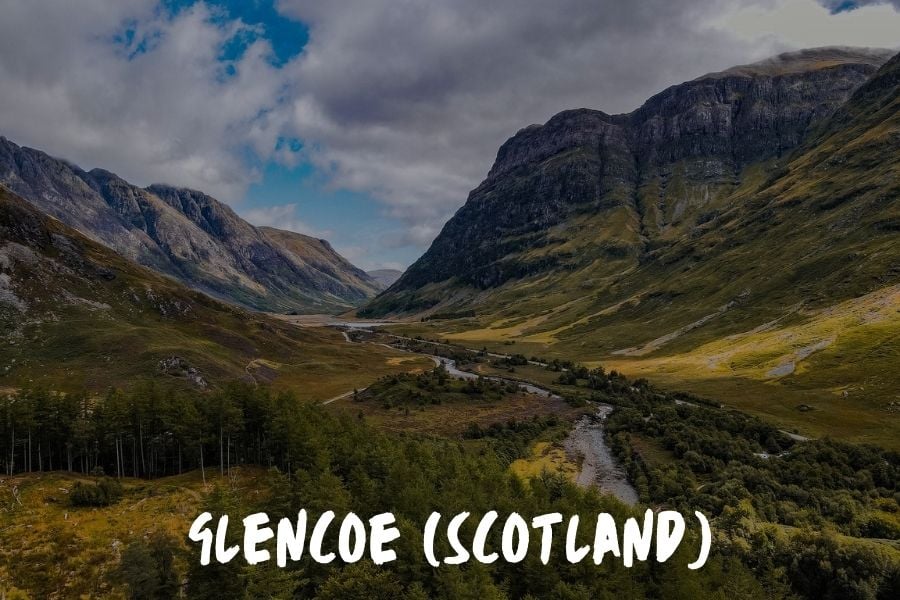
My favorite hike was a rainy, miserable trek through Glencoe in Scotland.
People usually look for perfect weather or high summits to post on social media, but those sunny days often fade from memory quickly.
Perfect weather brings crowds and noise.
You spend half your time waiting for people to move so you can take a picture, and you see the same "postcard" view as everyone else.
I hiked Glencoe in a torrential downpour.
The bad forecast scared everyone else away, so I had the entire valley to myself.
The rain made the green moss look electric and the waterfalls roared with a power you don't see in the summer.
I stopped worrying about keeping my feet dry after the first mile and just walked.
The landscape felt alive and raw.
I felt small in the best way possible.
My advice is to buy a really good rain jacket and accept that you will get wet.
Spend the money on gear that keeps you warm, but don't let a gray forecast stop you.
You won't remember the easy, sunny days ten years from now, but you will remember the time you battled the elements and realized how resilient you actually are.
Paul Eidner, Chief Operating Officer, InboxAlly
Angels Landing (Zion National Park)
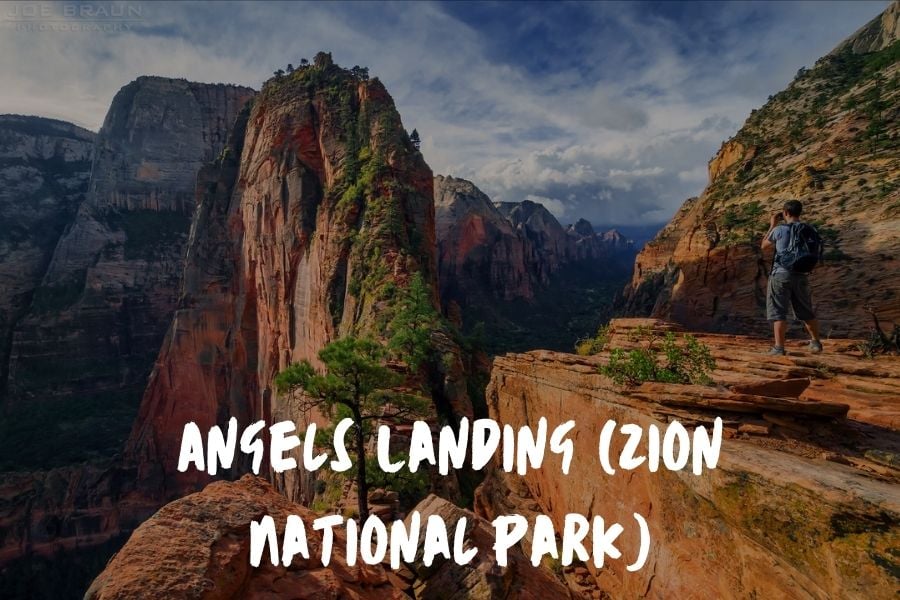
I hiked Angels Landing in Zion National Park at 3:00 AM under a full moon, and it beat any daytime trek I have ever done.
People usually start these popular hikes at dawn to beat the heat, but they still end up stuck in crowds of hundreds of tourists.
Crowds ruin the solitude of nature, and the pressure to move quickly destroys the experience.
You spend your whole hike looking at the backpack of the person in front of you.
My advice is to embrace the "alpine start" even for standard day hikes.
We started walking while the rest of the park slept.
We didn't even turn on our headlamps because the moonlight reflected off the red sandstone canyon walls.
We sat on the summit alone for an hour before the first sun-seekers arrived.
If you plan to hike a famous trail, buy a quality headlamp and start three or four hours before sunrise.
You get the trail to yourself and watch the world wake up.
The silence at night changes how you interact with the landscape.
It turns a tourist trap into a deeply personal experience.
Daniel Nyquist, CMO, Crosslist
Inca Trail (Peru)
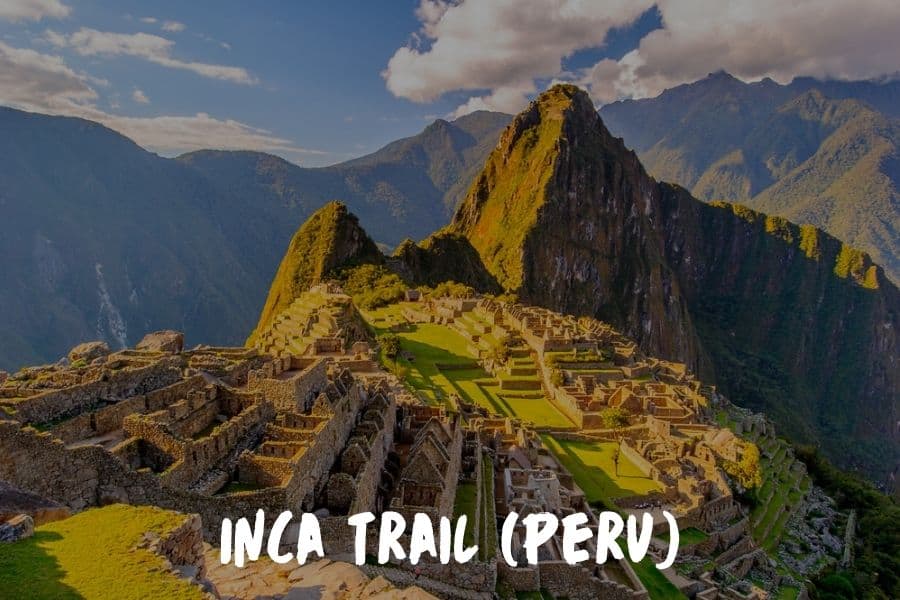
My favorite hiking experience is the Inca Trail in Peru because it doesn't resemble a trek as much as it does a pilgrimage through time.
Hiking on pristine 500-year-old stone trails through mist-laden cloud forests and by ancient ruins such as Wiñay Wayna is an experience of deep mystery.
The physical highlight of scaling Dead Woman's Pass at 13,800 feet is outsized only by the emotional payoff of standing on the Sun Gate at dawn and watching Machu Picchu appear out of the clouds.
Best advice: Spend at least two days in Cusco before beginning.
You need time to acclimate to the high altitude, and the deadly thin air makes everything a whole heck of a lot more difficult if your body doesn't have sufficient time to adjust.
Amanda New, Founder, Cash For Houses Girl
Milford Track (Fiordland)
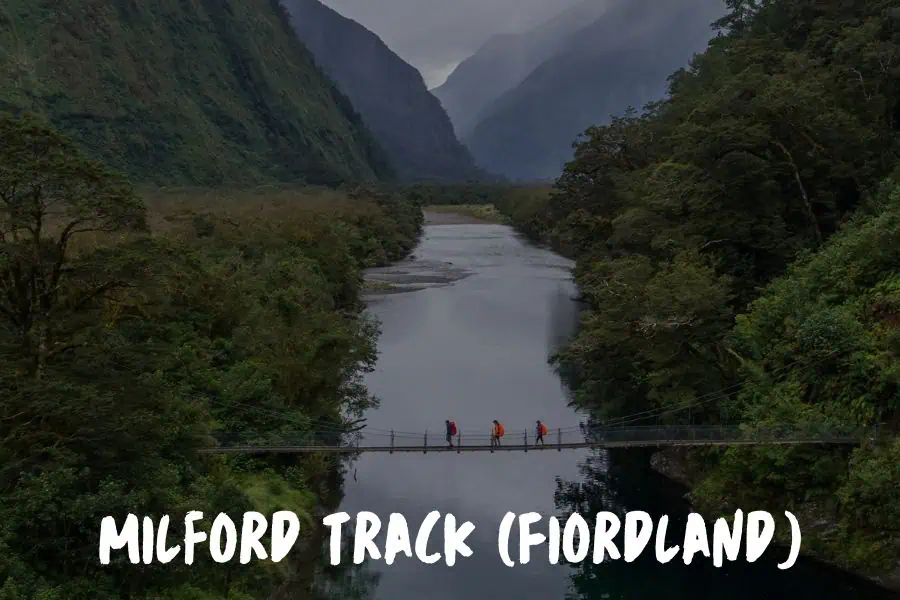
The Milford Track in Fiordland is an epic walk through a "Jurassic" wilderness.
The real game changer, though, is the stark change from ancient, moss-covered rainforests to the alpine heights of MacKinnon Pass.
When it does rain, and it rains a lot, those granite walls of stone become the vertical realm of hundreds of ephemeral waterfalls dropping into the narrow valleys below.
It feels like seeing the earth in its most raw form, at one of the world's tallest falls, which is shrouded in mist.
If you are considering this trek, get your permit the day bookings open in May, as they go quickly and are usually sold out for the whole season within minutes.
Invest in a good quality waterproof pack liner and dry bags; in this rainforest, getting wet is not just about being comfortable but is also a safety issue.
Evan Tunis, President, Florida Healthcare Insurance
Stawamus Chief (Squamish)
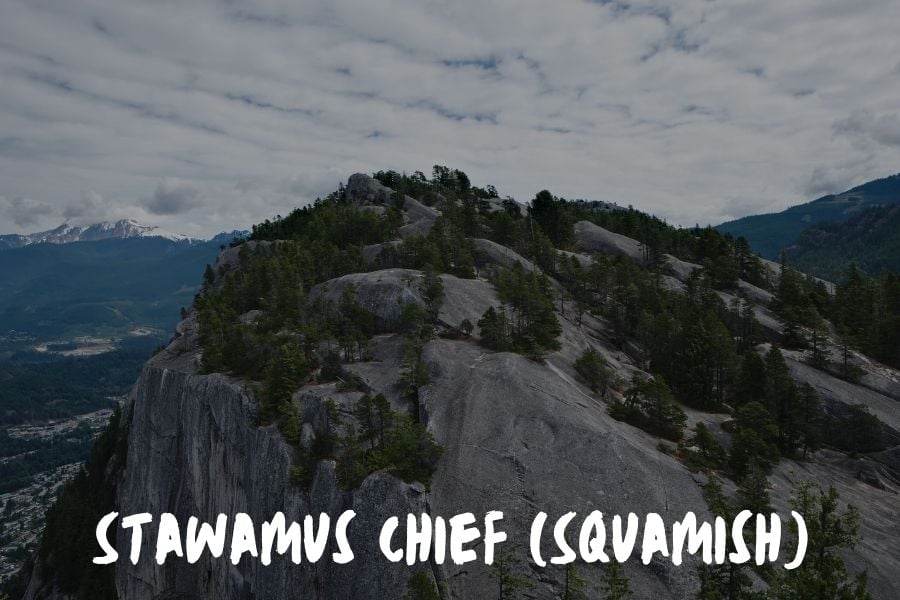
I'm definitely not a hiker–I'm the Inventory Control Manager at King of Floors, so I spend my days sourcing flooring from factories around the world and helping customers in our Surrey showroom.
But I did the Stawamus Chief trail near Squamish about three years ago, and what made it unforgettable was realizing halfway up that my legal secretary training actually helped more than physical prep.
The trail markers were confusing in spots, and I watched so many people second-guess themselves or follow the wrong person.
My detail-oriented brain from years of document work kicked in–I'd memorize landmarks, count switchbacks, and verify we were on track before committing.
That careful verification habit saved us from backtracking twice when groups ahead took wrong turns.
My advice: take photos of trail markers and confusing intersections on your way up, especially if you're doing an out-and-back.
On the descent, when you're tired, those photos become your cheat sheet.
I didn't do this, and we wasted 20 minutes retracing steps because exhausted-me couldn't remember which fork we'd taken earlier.
Lesley Upton, Manager Inventory Control, King of Floors
Trek in the Himalayas (Northern India)
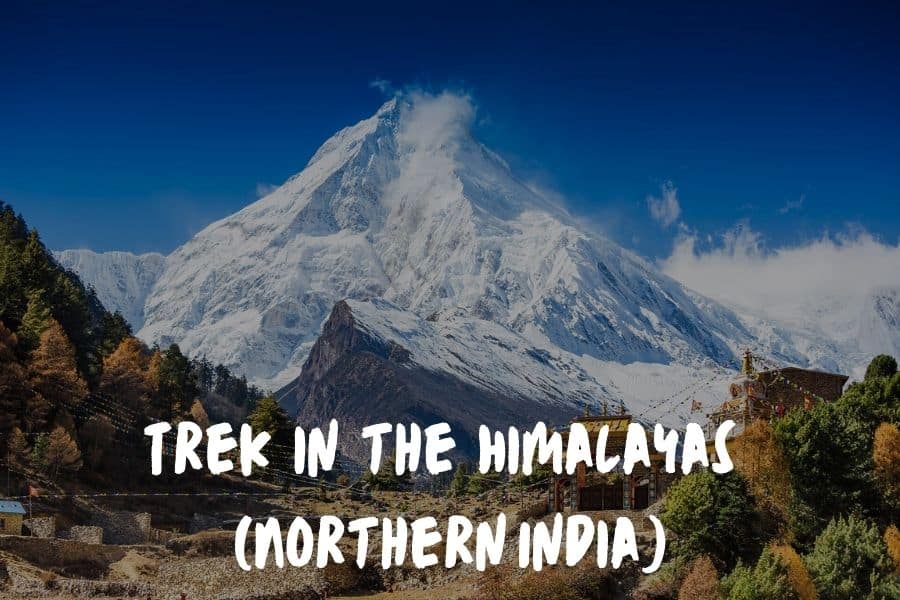
My single favorite hiking experience was trekking in the Himalayas in northern India.
What made it unforgettable wasn't the altitude or the views alone, but the way the landscape stripped life down to essentials.
Long stretches of silence, thin air, simple meals, and the rhythm of walking day after day created a kind of clarity I rarely feel elsewhere.
Problems that felt complex at sea level suddenly became very small, and my mind settled into a calm, almost meditative focus.
The one piece of advice I'd give to anyone planning a similar hike is to resist the urge to rush or optimize the experience.
Go slower than you think you should, both physically and mentally.
Let your body acclimatize, but also let your mind catch up.
The real value of hikes like that isn't in reaching the destination; it's in how fully present you become along the way.
Justin Brown, Co-creator, The Vessel
Half Dome (Yosemite)
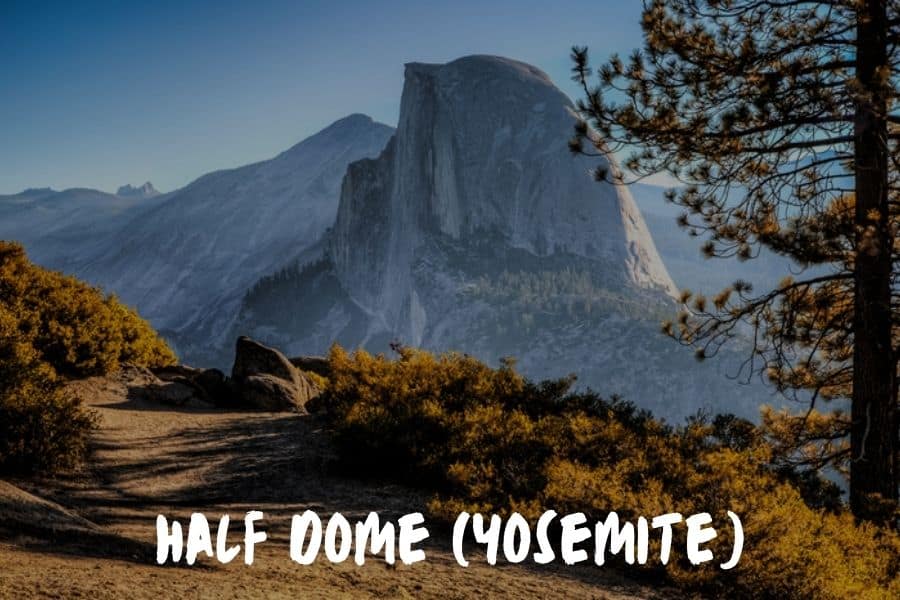
I have a few but can honestly say Hiking Half Dome was my favorite experience due to the extreme mental and physical challenge of that last climb.
For the "Cables" section, a 400-foot ascent up a 45-degree granite incline using only two steel cables, it is unforgettable.
From the top, 4,800 feet above the valley floor, there is long spectacular panoramic view over most of High Sierra that will make you forget you're even doing the grueling and somewhat masochistic 14-mile hike because when it's all paid off this beautifully.
Wear high-traction, rubber-coated gloves.
Ordinary gardening gloves are too slippery against the polished granite; you want "sticky palms" to prevent your hands from slipping when you haul yourself upward, thus protecting the steel cables from skinning your fingers during the descent.
Geremy Yamamoto, Founder, Eazy House Sale
Off-Trail Bushwhack (Sierra Nevada)
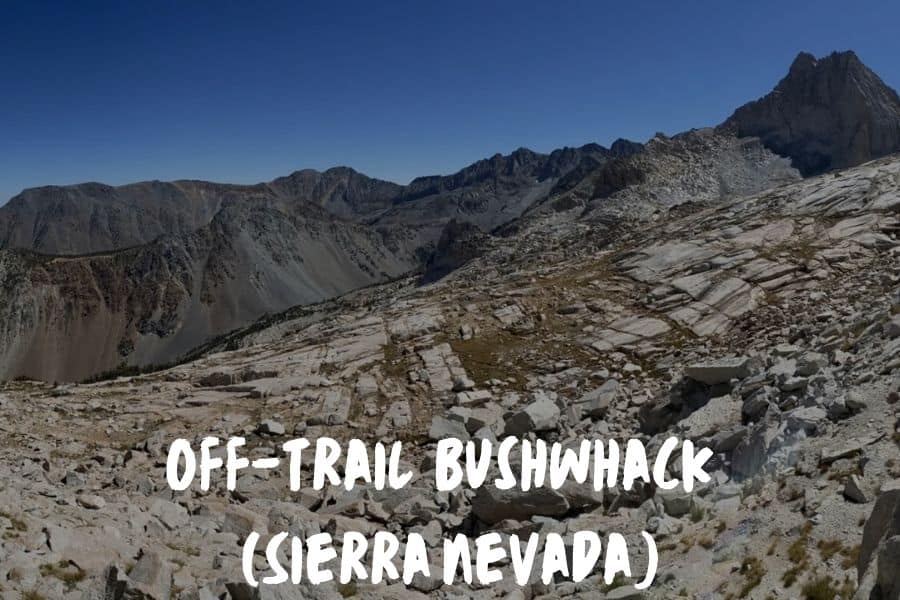
My most memorable trip was a three-day off-trail bushwhack in the Sierra Nevada where I never saw a single footprint.
Many hikers stick strictly to famous routes like the Pacific Crest Trail or the Appalachian Trail, but following markers can become a mindless exercise.
You stop thinking when you just follow a well-worn dirt path.
You lose your connection to the land because you rely on signs rather than your own eyes.
You should learn navigation and leave the trail behind.
I used a topographic map and a compass to find a hidden lake that wasn't on the park brochure.
The feeling of finding your own way is primal and satisfying.
My advice is to take a basic orienteering class or watch tutorials on reading contour lines.
Pick a spot on a map that looks interesting and navigate to it yourself.
True exploration happens when you leave the beaten path.
It forces you to be present and aware in a way that trail hiking never does.
Gaetano Isidori, Founder & CEO, PhotoboothTO
Getting Lost Near Lake Superior
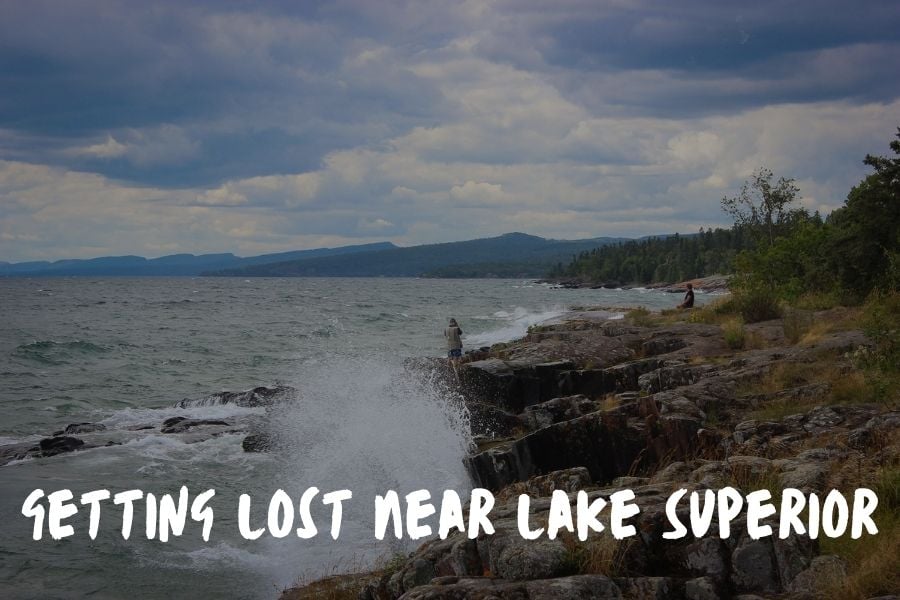
I'm primarily a marketing guy in the multifamily space, but I spend weekends exploring trails around Chicago and Minneapolis where our properties are located.
My favorite hike was actually a complete accident–I got lost on a trail system near Lake Superior while scouting neighborhood amenities for a new FLATS development.
What made it unforgettable was having to use the same systematic thinking I apply to analyzing resident feedback data.
I had to stop, assess what information I actually had (sun position, trail markers, topography), and make data-driven decisions about which direction to go.
It took an extra three hours, but methodically eliminating wrong paths got me out.
My advice: bring a physical map even if you have GPS.
When my phone died at 8% battery, I had nothing.
I learned this lesson the hard way, similar to how we learned residents needed oven tutorials after analyzing complaint patterns–sometimes you only figure out what's missing after the problem hits you.
Pack redundancy into everything–extra battery, backup navigation, more water than you think.
I apply this same philosophy to our marketing budget allocation, always keeping reserves for unexpected opportunities or challenges.
Gunnar Blakeway-Walen FLATS, Marketing Manager, FLATS
Red Frog Island (Bocas del Toro, Panama)

My favorite hike was on Red Frog Island in Bocas del Toro, Panama, where I stepped away from the group and followed a quieter path.
That choice led to a close look at a family of monkeys and the island's poisonous red frog, which made the day unforgettable.
If you plan something similar, consider leaving the main route at times to follow your instincts and discover what you might otherwise miss.
Adrian Ghantous, Founder, chaseawave
Bridge to Nowhere (California)
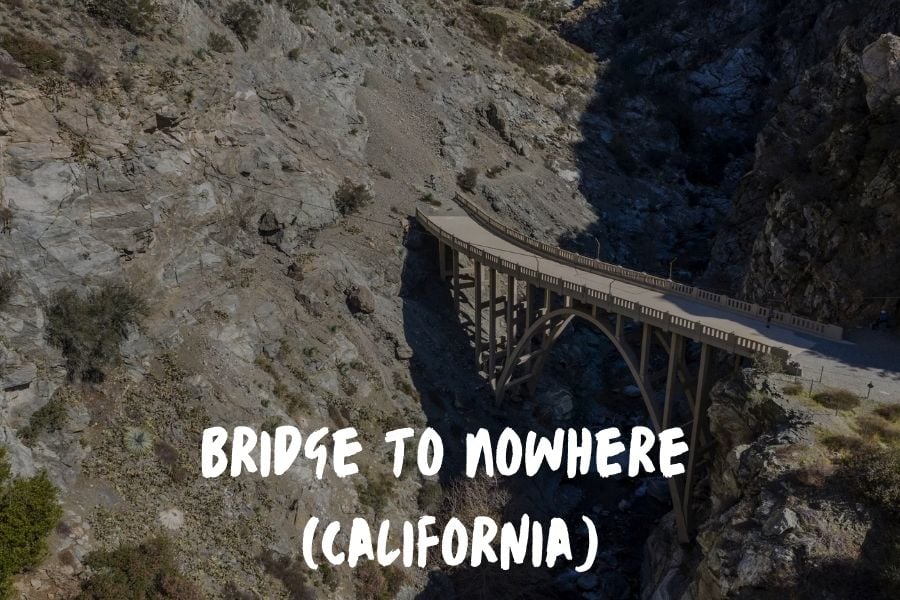
My single favorite hiking experience was the Bridge to Nowhere because it combined challenge, adventure, and surprise.
The hike is long and demanding, which makes you earn every step.
What made it unforgettable was reaching the bridge and watching people bungee jump into open space, which completely shifts the energy of the day.
There is a sense of awe and respect for both nature and human courage.
The contrast between effort and exhilaration stays with you.
My advice is to pay close attention to the trail because it is easy to get lost.
Staying present and prepared makes the experience both safer and more rewarding.
Karen Canham, Entrepreneur/Board Certified Health and Wellness Coach, Karen Ann Wellness
Mount Bromo (East Java)
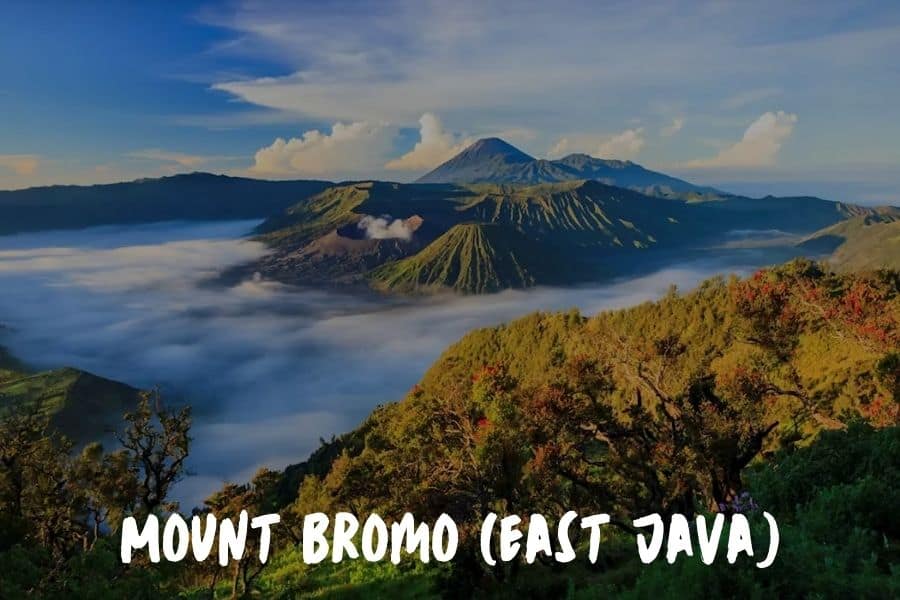
The sunrise hike to Mount Bromo in East Java is my favorite for me, as you feel transported into the set of a sci-fi film.
The journey to the base of the active caldera across stretches of "Sea of Sand" is otherworldly, but the true enchantment comes with sunrise.
With the sun coming up, it's a prehistoric scene with black volcanic peaks emerging from the clouds.
Peer into its smoking, howling crater after a steep ascent and the earth feels very alive and powerful.
Pack a good face mask or buff.
Known for kicking up fine volcanic ash and sand, the winds can irritate your lungs and eyes as you struggle to appreciate those scenic canyon views from the summit.
Keith Sant, Founder & CEO, Kind House Buyers
Continental Divide Trail
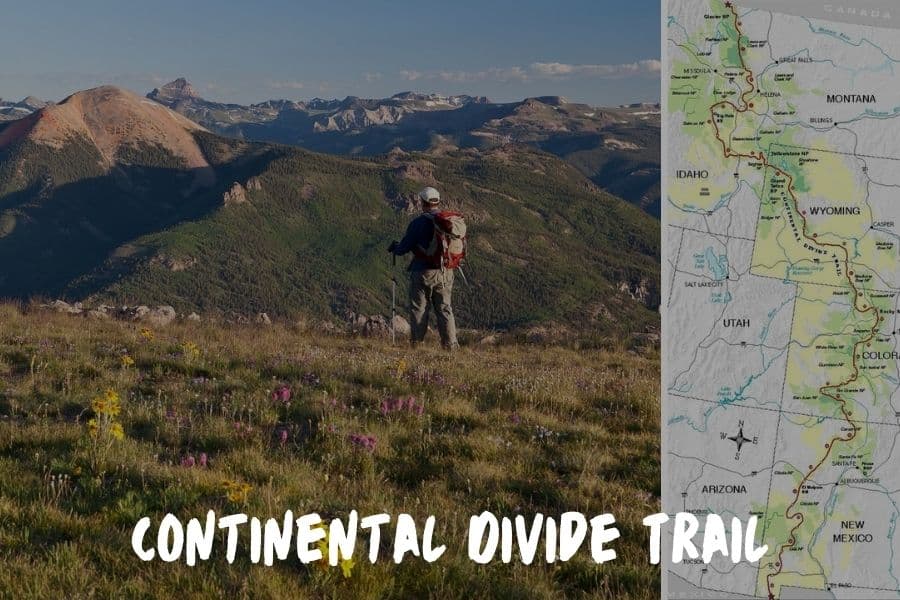
My favorite hike was the 2,700-mile journey along the Continental Divide Trail.
It was unforgettable because it was a transformative journey that required balancing six career breaks while maintaining my career in digital marketing.
My advice: plan your hike around intentional breaks so you can pursue the trail without stepping away from your professional path.
Carrie Hopkins, Senior Marketing Manager
Make the Next One Unforgettable
Unforgettable hikes don't come from perfect conditions.
They come from the moments you have to adapt — when you realize you didn't pack right, didn't train right, or didn't slow down enough to actually see what you came for.
Steal these tips.
Then go earn your own.